
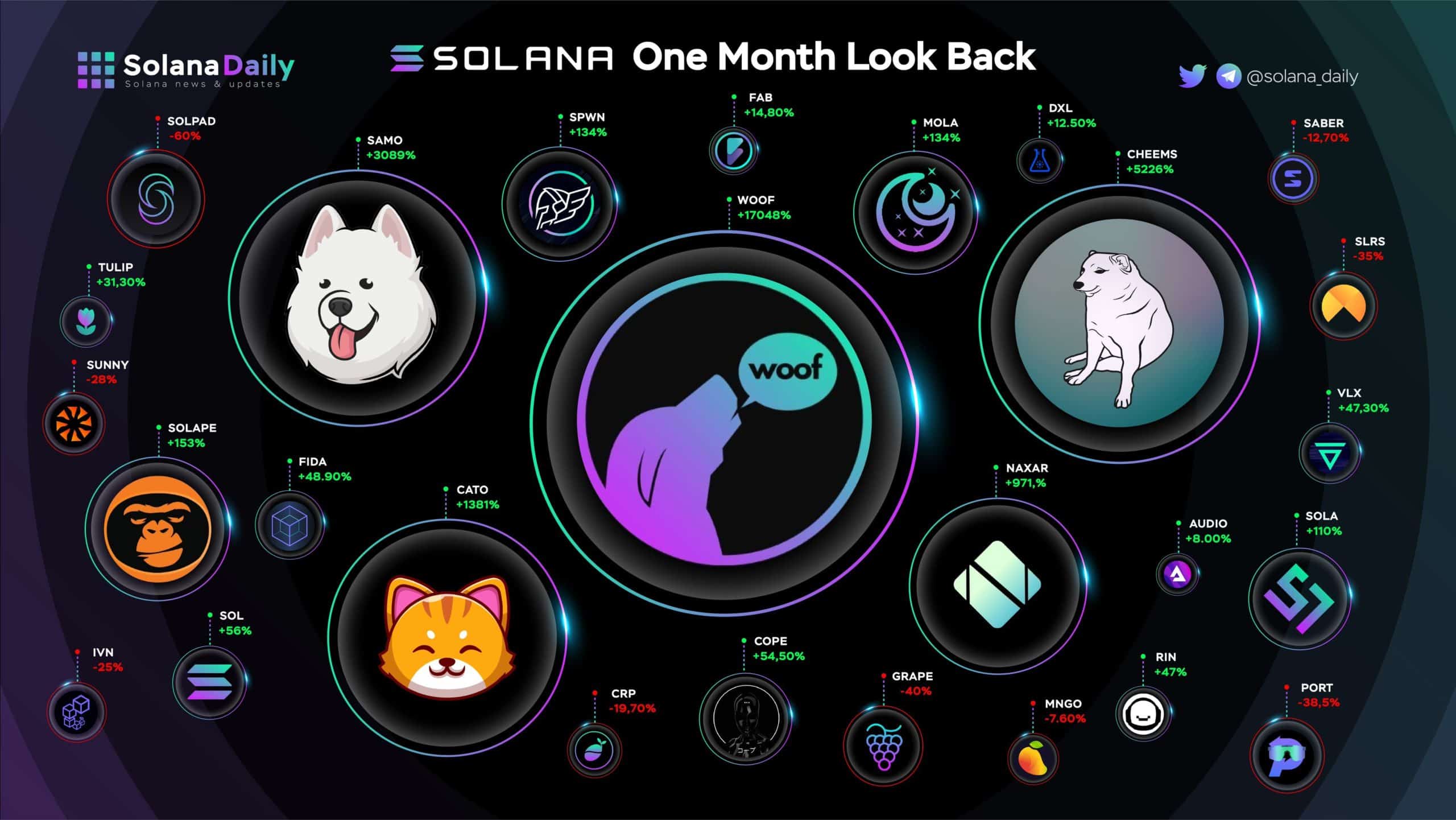
Solana's DeFi Shift: From Speed to Scale
Solana's DeFi landscape in 2026 has moved beyond its reputation for raw transaction speed. The ecosystem now prioritizes institutional-grade resilience, evidenced by a massive expansion in total value locked (TVL) and stablecoin supply. This growth reflects a maturing infrastructure capable of handling high-frequency financial activity without the fragility that once plagued earlier iterations.
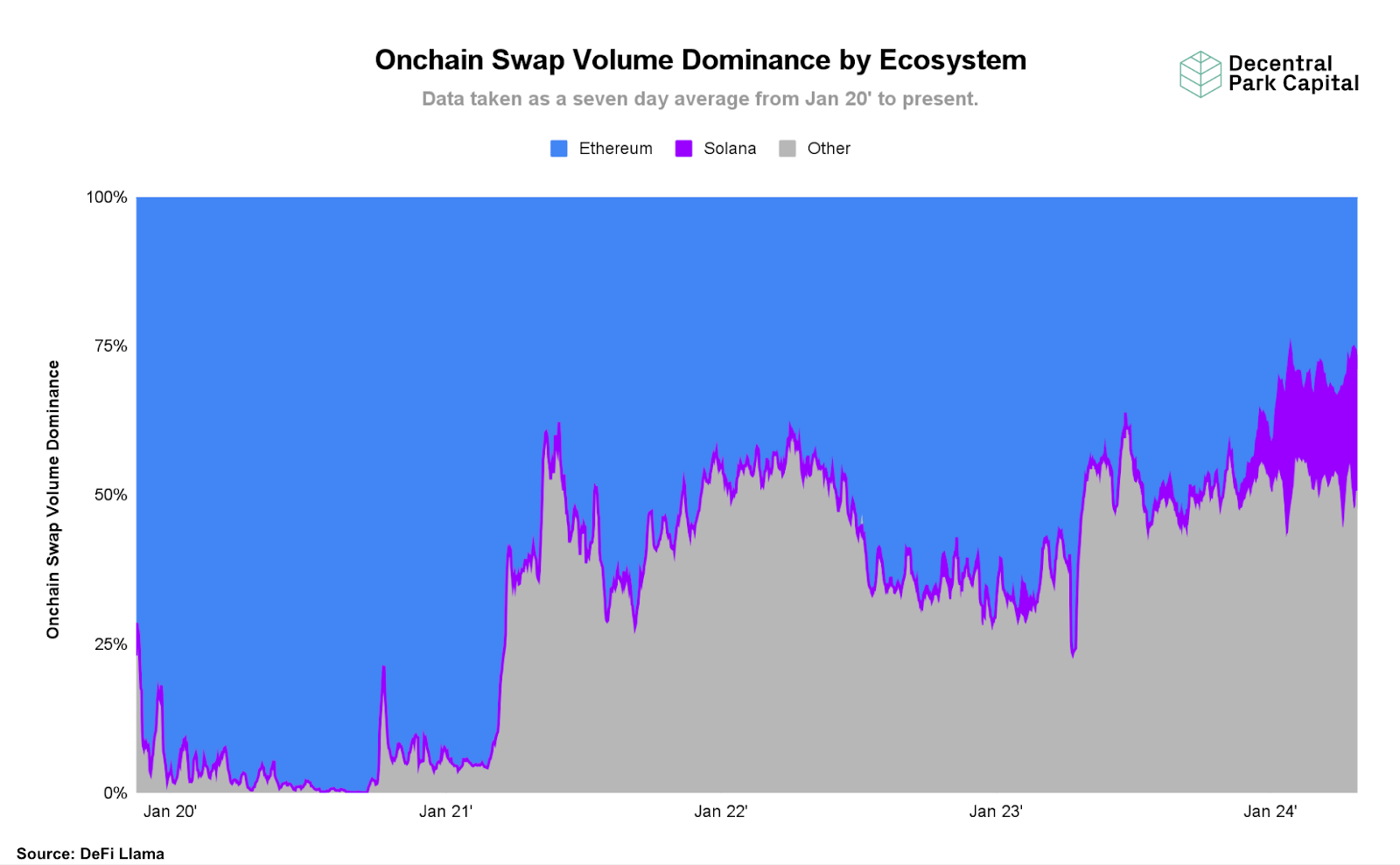
The numbers underscore this scale. Solana now supports a stablecoin supply of $16.4 billion, a figure that highlights its role as a primary settlement layer for digital assets. This liquidity is anchored by dominant protocols like Jupiter, which aggregates liquidity across the network, and Kamino, the largest single DeFi protocol by TVL. Kamino’s lending markets alone hold nearly $1.5 billion, supporting major assets like SOL, USDC, and JUP.
This concentration of capital brings significant risk. High TVL does not guarantee safety, and smart contract vulnerabilities remain a constant threat. Investors must treat these protocols with the same due diligence applied to traditional finance. The shift toward real-world assets (RWA) and tokenized equities adds another layer of complexity, requiring a deeper understanding of off-chain legal structures and on-chain execution.
The ecosystem's expansion is not just about volume; it is about structure. With Western Union, Visa, and Circle integrating directly with Solana, the boundary between traditional finance and crypto is blurring. This integration increases the stakes for every participant. A failure in one major protocol can have cascading effects across the entire network, making risk management more critical than ever.
As we examine the top five emerging protocols, keep this context in mind. These projects are not just building features; they are competing for a share of a multi-billion dollar liquidity pool. Success in this environment requires more than just innovative code; it requires trust, security, and a clear value proposition in a crowded market.
5 Solana DeFi 2026: Top 5 Emerging Protocols
Solana’s DeFi landscape in 2026 demands rigorous due diligence as protocols like Jupiter and Kamino navigate high-stakes volatility. Verifying official TVL metrics and source code audits is essential before allocating capital to these emerging architectures.
1. Jupiter: The super-app aggregator
Jupiter acts as the central liquidity hub for Solana, routing trades across multiple decentralized exchanges to secure the best possible execution prices. Its interface consolidates complex swapping mechanics into a single, streamlined experience for users navigating the volatile DeFi landscape. Always verify transaction details carefully, as high-frequency trading environments carry inherent slippage risks that can impact final asset values.
2. Kamino Finance: Lending leader
Kamino Finance dominates the Solana lending sector by offering optimized yield strategies and flexible borrowing options for major assets. Users can supply collateral to generate passive income or borrow against holdings, though liquidation risks remain significant during market downturns. Due diligence is essential to understand the specific health factors and interest rate fluctuations associated with each lending pool.

3. Raydium: Liquidity and AMM engine
Raydium serves as the primary automated market maker on Solana, providing deep liquidity pools for token swaps and yield farming opportunities. Its integration with Serum order books allows for hybrid trading models that cater to both spot and limit orders. Traders must monitor pool depths closely to avoid significant price impact when executing large volume transactions in this competitive environment.

4. Sanctum: Liquid staking infrastructure
Sanctum introduces a novel approach to liquid staking by allowing users to trade their staked SOL tokens directly on exchanges. This infrastructure enhances capital efficiency by unlocking liquidity that was previously locked in traditional staking contracts. Participants should carefully review the validator selection process and associated risks, as any compromise in the staking network could affect the underlying asset's value.

5. Drift Protocol: Perpetuals exchange
Drift Protocol offers a decentralized platform for trading perpetual futures contracts with up to 50x leverage on Solana. The exchange provides advanced order types and a robust insurance fund to mitigate liquidation risks during extreme volatility. Users must exercise extreme caution with leverage, as high-stakes trading can lead to rapid and substantial losses if market movements are not managed properly.

Compare Solana DeFi options
Choosing a protocol requires balancing yield against counterparty risk. The table below breaks down five major Solana DeFi platforms by total value locked, primary use case, and risk profile. Use this comparison to identify which protocol aligns with your specific risk tolerance.
| Protocol | TVL (Approx.) | Category | Risk Profile |
|---|---|---|---|
| Kamino | $1.48B | Lending | Medium |
| Jupiter | $500M+ | DEX Aggregator | Low |
| Raydium | $300M+ | DEX / AMM | Medium |
| Jito | $1.2B+ | Liquid Staking | Low |
| Sanctum | $200M+ | Liquid Staking | Low |
Kamino leads in total value locked, offering deep liquidity for lending and borrowing. Jupiter serves as the primary liquidity router, minimizing slippage for traders. Jito and Sanctum dominate liquid staking, allowing users to earn staking rewards while maintaining asset flexibility. Raydium provides concentrated liquidity pools for direct token swaps.
Always verify current TVL and protocol audits before depositing funds. Smart contract risk remains the primary threat in DeFi.
Frequently asked: what to check next
What is the largest DeFi protocol on Solana? Kamino is the largest single DeFi protocol on Solana by total value locked (TVL). Kamino Lend, the core lending market layer, holds approximately $1.48 billion across isolated markets. These markets support major Solana assets including SOL, USDC, USDT, JUP, and PYUSD. Always verify current TVL figures on official dashboards before committing capital, as market conditions shift rapidly.
What is the best NFT to buy in 2026? There is no single "best" NFT, but leading projects include CryptoPunks, Bored Ape Yacht Club, and Pudgy Penguins. CryptoPunks holds the highest market cap with a floor above $64K. Bored Ape Yacht Club offers a strong brand ecosystem, while Pudgy Penguins has expanded into real-world toy licensing. Research each project’s utility and community health before purchasing.
Is Solana DeFi safe for beginners? Solana DeFi offers high yields but carries significant risk. Smart contract vulnerabilities and market volatility can lead to total loss of funds. Use reputable protocols like Jupiter for swaps and Kamino for lending, but never invest more than you can afford to lose. Always start with small amounts to understand transaction fees and slippage.
Helpful gear
Use these product recommendations as a starting point, then choose the size, material, and price point that fit how you actually use the gear.


As an Amazon Associate, we may earn from qualifying purchases.
No comments yet. Be the first to share your thoughts!