
Why Solana DeFi 2026 matters now
Solana has completed a significant pivot in its development strategy. The network is no longer chasing headline transaction speeds alone. Instead, the 2026 roadmap prioritizes predictability, resilience, and execution integrity. This shift from pure performance to institutional-grade stability has transformed how financial institutions view the chain. It is now treated as reliable infrastructure rather than just a high-throughput experiment.
This structural hardening has directly fueled Total Value Locked (TVL) growth. Capital is moving into protocols that offer predictable finality and robust redundancy. The result is a DeFi ecosystem that can handle sustained institutional volume without the volatility that plagued earlier years.
The market data reflects this maturation. In February 2026, total spot volume on Solana settled at $98 billion. More importantly, the composition of that volume changed. Proprietary Automated Market Makers (Prop AMMs) surged from near zero to capture 71% of all Solana DEX volume. This dominance signals that sophisticated, algorithmic trading firms are now the primary liquidity providers, replacing the retail-heavy activity of previous cycles.
The convergence of technical reliability and institutional capital has created a new baseline for Solana DeFi. Protocols that dominate TVL today are those that leverage this stability to offer deep, consistent liquidity. As the ecosystem continues to refine its execution layer, the gap between Solana and other Layer 1s widens in terms of serious financial utility.


As an Amazon Associate, we may earn from qualifying purchases.
5 Solana DeFi Protocols Dominating TVL in 2026
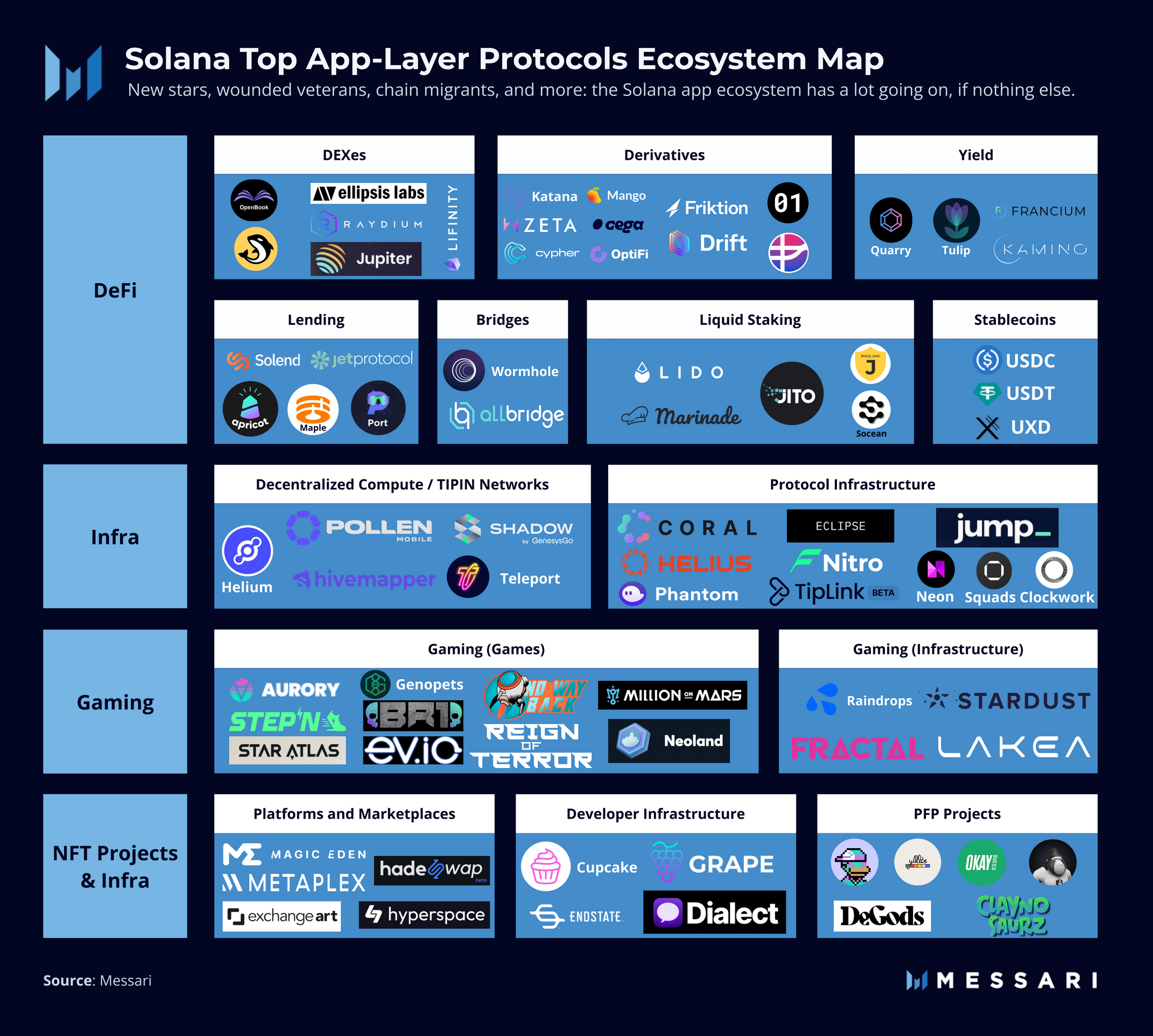
Total value locked on Solana has stabilized around $12 billion in 2026, driven by specific protocols that handle the majority of on-chain volume. This section ranks the top five DeFi platforms by TVL, using verified data from DeFi Llama and on-chain analytics. We focus on concrete metrics like daily swap volume and lending utilization rather than speculative growth narratives.
1. Jupiter: The DeFi Super-App
Jupiter aggregates liquidity across the Solana ecosystem, functioning as a central hub for swaps, limit orders, and perpetual futures. Its interface simplifies complex routing to ensure users receive the best execution prices. With over $50 billion in cumulative trading volume, it remains the primary gateway for Solana token exchanges.

2. Kamino: The Lending Leader
Kamino Finance dominates Solana lending by offering flexible liquidity pools and concentrated lending markets. Users can earn yield by supplying assets or borrow against collateral with dynamic interest rates. The protocol’s risk management framework monitors loan-to-value ratios closely to maintain stability during market volatility.

3. Raydium: The Volume Powerhouse
Raydium serves as the primary automated market maker on Solana, providing deep liquidity for new token launches. It integrates with Serum’s order book to offer advanced trading features alongside standard pool swaps. High trading volumes on Raydium reflect its role as a critical infrastructure layer for price discovery.

4. Jito: MEV Liquid Staking
Jito revolutionizes staking by bundling MEV rewards with standard staking yields, offering higher returns for SOL holders. It liquidates staking positions, allowing users to maintain liquidity while earning compounded rewards from transaction tips. This model captures value that traditional staking protocols often leave on the table.

5. Sanctum: Staking Infrastructure
Sanctum provides the underlying infrastructure for liquid staking tokens (LSTs) on Solana, ensuring interoperability and security. It standardizes how different staking providers interact with DeFi protocols, reducing fragmentation and improving capital efficiency. This foundational layer supports the broader ecosystem’s growth by enabling seamless LST integration.

How to compare Solana DeFi 2026 options
Choosing the right protocol depends on whether you prioritize yield, liquidity, or stability. The Solana DeFi landscape in 2026 has consolidated around five major players, each serving a distinct function. Below is a side-by-side comparison of the top protocols by Total Value Locked (TVL) to help you decide where your capital fits best.
| Protocol | TVL (Approx.) | Primary Use Case | Risk Profile |
|---|---|---|---|
| Kamino | $1.48B+ | Lending & Borrowing | Medium |
| Jupiter | $800M+ | DEX Aggregation | Low |
| Marinade Finance | $600M+ | Liquid Staking | Low |
| Raydium | $400M+ | AMM & Liquidity | Medium |
| Drift Protocol | $300M+ | Perpetuals Trading | High |
Kamino dominates the lending sector with isolated markets, offering higher yields but requiring careful asset selection. Jupiter acts as the primary aggregator, ensuring you get the best swap rates with minimal slippage. For passive income, Marinade allows you to stake SOL while retaining liquidity. Raydium remains the go-to for providing liquidity to new token launches, while Drift caters to traders seeking leverage.
If you are managing significant assets across these protocols, securing your private keys is essential. Hardware wallets provide an offline layer of protection against smart contract exploits and phishing attacks.


As an Amazon Associate, we may earn from qualifying purchases.
Best Solana investments 2026 checklist
Evaluating Solana DeFi protocols requires a disciplined approach to risk and data. Before allocating capital, verify that the protocol has undergone security audits and maintains transparent governance. Look for consistent total value locked (TVL) growth and clear yield sources rather than unsustainable token emissions.
- Verify Audit Status: Ensure the smart contracts have been audited by reputable firms. Unaudited code is a primary vector for exploits.
- Check TVL Stability: Look for steady TVL growth over time. Sudden spikes often indicate high risk or temporary incentives.
- Analyze Yield Source: Understand where the yield comes from. Is it from trading fees, lending interest, or token inflation?
- Review Liquidity Depth: Ensure there is sufficient liquidity to exit your position without significant slippage.
- Assess Governance: Check if the protocol has a clear governance model. Community-driven decisions often lead to more resilient ecosystems.


As an Amazon Associate, we may earn from qualifying purchases.
No comments yet. Be the first to share your thoughts!