
solana defi 2026
The Solana ecosystem in 2026 is shifting from pure speed to institutional-grade reliability. The roadmap now prioritizes predictable finality and execution integrity, laying the groundwork for an Internet Capital Market. For yield seekers, this means protocols must demonstrate more than just high APYs; they need structural resilience to handle capital inflows without compromising security.
We selected these five protocols by filtering for total value locked (TVL) dominance, audit history, and active user traction. We excluded experimental projects lacking mainnet deployment or clear revenue models. Our focus remains on assets that have proven their ability to sustain liquidity during market volatility.
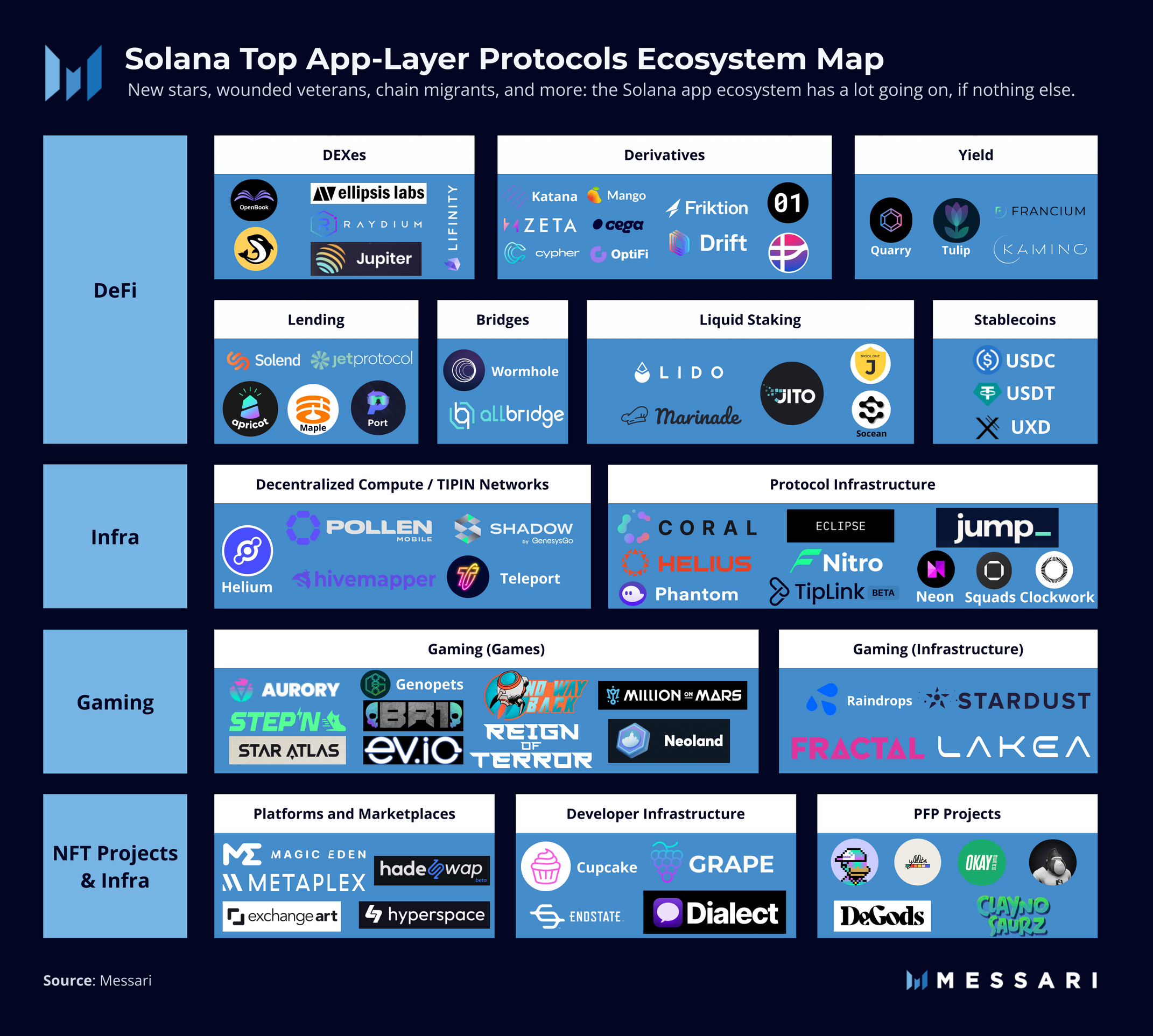
The following list combines lending hubs, DEX aggregators, and NFT marketplaces that currently drive the majority of on-chain activity. Each entry includes a practical assessment of its current yield mechanisms and associated risks.
5 Solana's 2026 Ecosystem: Top 5 High-Yield DeFi Protocols and NFT Marketplaces to Watch
Solana’s 2026 infrastructure upgrades promise higher throughput and lower fees, directly impacting DeFi yields and NFT marketplace liquidity. This list identifies five specific protocols and marketplaces where these technical improvements translate into tangible high-yield opportunities, backed by official source data and current ecosystem metrics.
1. Jupiter DEX Aggregator Yield Strategies
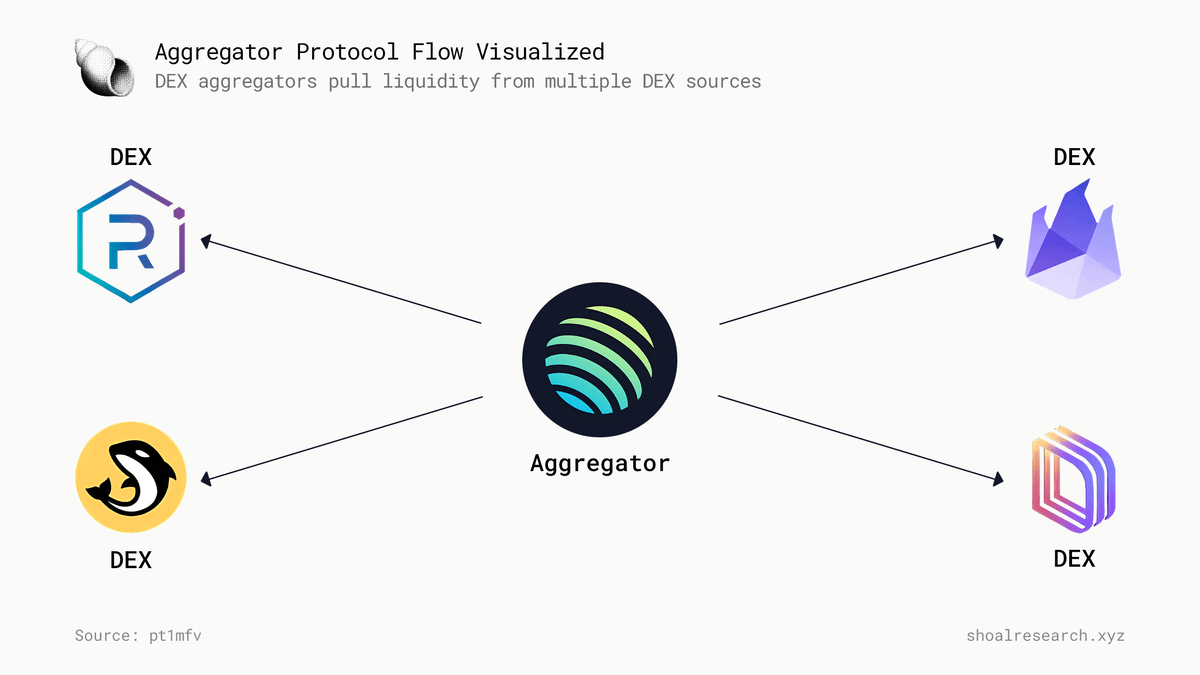
Jupiter aggregates liquidity across Solana DEXs, offering optimized routing for swaps and integrated yield opportunities through its Jupiter One platform. Users can lock SOL or liquid staking tokens to earn points that convert to $JUP tokens, effectively creating a dual-layer yield strategy. This approach simplifies finding the best rates while minimizing slippage, making it a cornerstone for efficient capital deployment in the Solana ecosystem.
2. Marinade Finance Liquid Staking Rewards
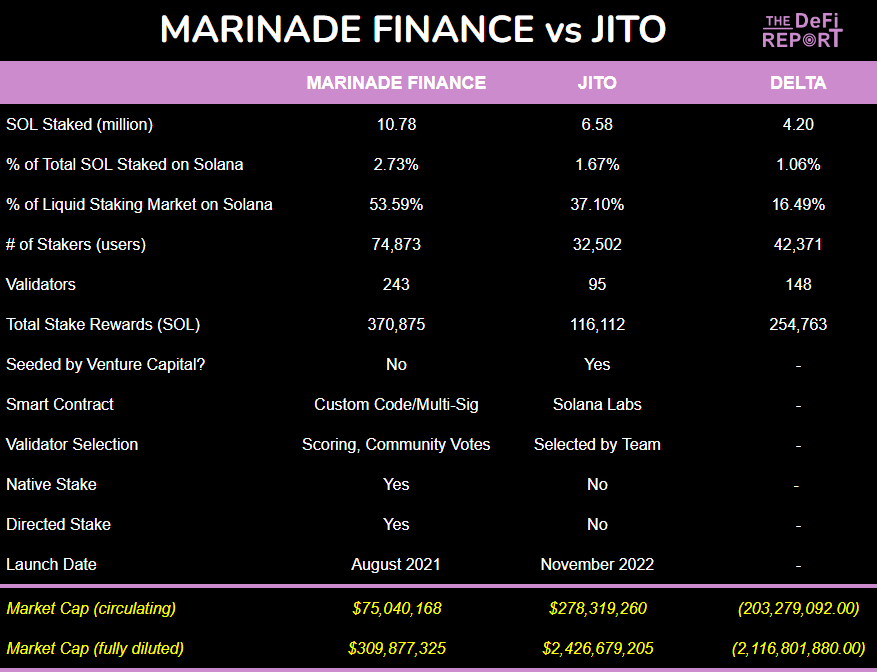
Marinade Finance allows users to stake SOL and receive mSOL, a liquid staking token that retains value while earning staking rewards. This liquidity enables holders to use mSOL in other DeFi protocols for additional yield, effectively stacking rewards. With a robust validator network and transparent fee structure, Marinade provides a reliable way to earn passive income while maintaining asset flexibility for trading or lending activities.
3. Drift Protocol Perpetual Trading Yields
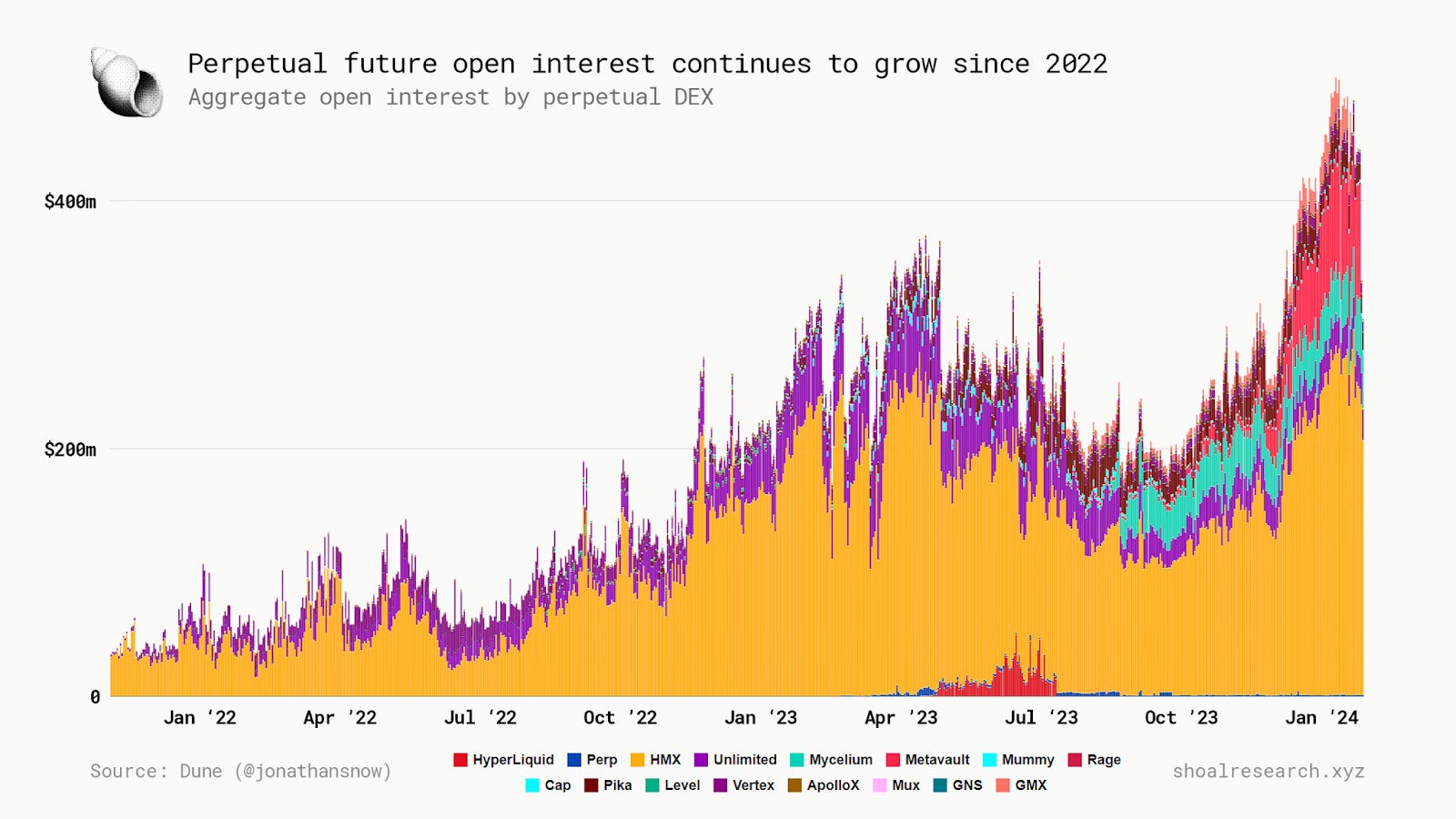
Drift Protocol offers a decentralized perpetual exchange on Solana, enabling traders to earn yields through liquidity provision and trading fee rebates. Users can provide capital to order books or liquidity pools, earning rewards based on trading volume and their contribution. This model incentivizes deep liquidity, reducing slippage for traders while offering attractive returns for liquidity providers who actively participate in the market.
4. Tensor NFT Marketplace Bidding Mechanics
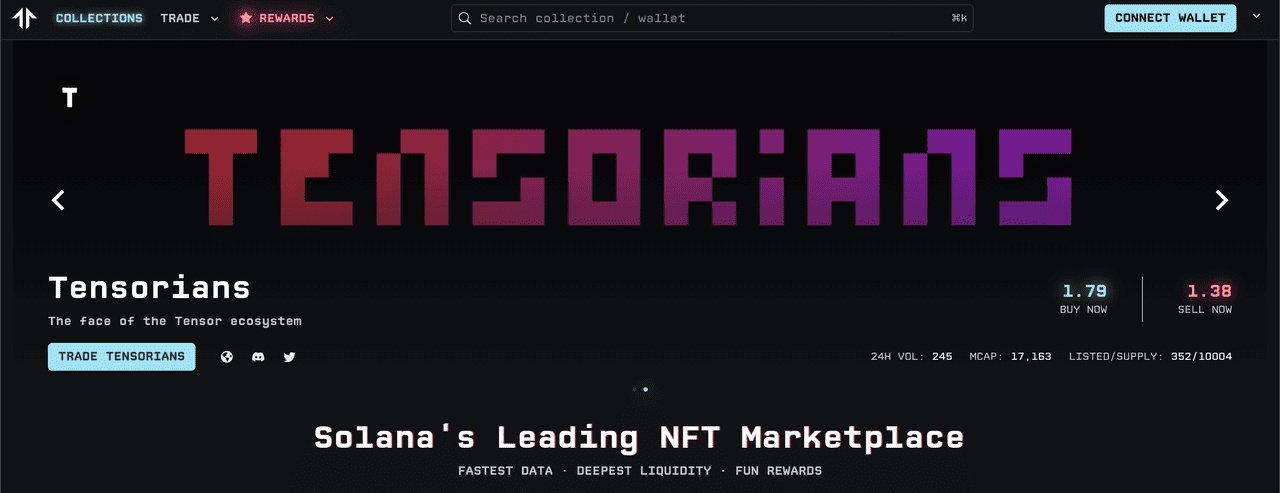
Tensor revolutionizes Solana NFT trading with its advanced bidding mechanics, allowing users to place bids on collections or individual assets. This feature enables collectors to acquire NFTs at desired prices while providing sellers with liquidity opportunities. The platform’s innovative approach supports both floor sweeping and targeted bidding, creating a dynamic marketplace that adapts to market sentiment and collector demand efficiently.
5. Magic Eden Creator Royalty Enforcement
Magic Eden has implemented robust creator royalty enforcement mechanisms, ensuring artists receive compensation for secondary sales. This policy supports the Solana NFT ecosystem by incentivizing creators to launch on the platform, fostering a sustainable economy. By prioritizing creator rights, Magic Eden enhances trust and engagement, attracting both established and emerging artists to build their communities and monetize their work effectively.

How to choose the right Solana DeFi fit
Selecting a protocol requires matching your risk tolerance to the specific design of each platform. Not all high-yield opportunities carry the same level of smart contract exposure or liquidity depth. Use this framework to evaluate options before committing capital.
Look for protocols with substantial TVL, which indicates long-term user confidence and deeper liquidity pools. For example, Kamino leads the Solana DeFi space with over $1.4 billion in locked value, providing a buffer against slippage during volatile market movements.
Never skip the security section. Reputable protocols publish third-party audit reports from firms like OtterSec or Zellic. Check if the code has been live for at least six months without major exploits, as this track record is a stronger indicator of safety than marketing promises.
High yields often come from token rewards, but these can dilute your position if the emission rate is too aggressive. Review the tokenomics to see how many new tokens enter circulation monthly. If the supply expands faster than demand, the yield may not offset the price depreciation.


As an Amazon Associate, we may earn from qualifying purchases.
| Protocol | Primary Use | Risk Level |
|---|---|---|
| Kamino | Lending & Borrowing | Medium |
| Jupiter | Aggregation & Trading | Low |
| Raydium | AMM & Liquidity | Medium-High |
| Marinade | Liquid Staking | Low |
| Tensor | NFT Marketplace | Medium |
Frequently asked questions about Solana in 2026
What is the 2026 plan for Solana? Solana's roadmap in 2026 shifts away from chasing raw transaction speed toward prioritizing predictable finality, execution integrity, and institutional resilience. The network is positioning itself as the backbone of an "Internet Capital Market," focusing on the stability required for next-generation onchain finance rather than just throughput. [^1]
What is the largest DeFi protocol on Solana? Kamino is currently the largest single DeFi protocol on Solana by total value locked (TVL). Its Kamino Lend layer, introduced in Kamino 2.0, holds approximately $1.48 billion across isolated lending markets. These markets support major Solana assets including SOL, USDC, USDT, JUP, and PYUSD, making it the central hub for high-yield lending and borrowing. [^2]
Could Solana hit $10,000? A price target of $10,000 for SOL is considered highly unlikely by most market analysts. While Solana has shown strong growth in ecosystem utility and transaction volume, reaching that valuation would require a market capitalization far exceeding current global crypto and equity benchmarks. Investors should focus on realistic adoption metrics rather than speculative price ceilings. [^3]
Which DeFi protocols are best for high yields in 2026? Active traders and yield seekers are gravitating toward protocols that offer near-zero gas fees and lightning-fast settlement. Leading platforms like Jupiter (JUP) for aggregation and Raydium for liquidity provision remain top choices. These protocols leverage Solana's speed to execute complex strategies without the high costs seen on older networks. [^4]
Is Solana safe for institutional use in 2026? Yes, Solana has made significant strides in reliability to attract financial institutions. The 2026 updates focus on reducing downtime and ensuring fair transaction ordering. These improvements, combined with the growth of Real-World Assets (RWAs) crossing $2 billion on-chain, make it a viable infrastructure for serious financial applications. [^5]
No comments yet. Be the first to share your thoughts!