
Solana ai integration 2026 limits to account for
By 2026, the narrative around Solana has shifted from raw speed to structural integrity. The ecosystem is no longer just chasing transaction volume; it is building the predictable finality and execution guarantees required for institutional-grade AI agents and real-world asset (RWA) tokenization. This transition addresses the core constraint of on-chain AI: reliability. Without deterministic execution, autonomous agents cannot safely manage capital or interact with complex DeFi protocols.
The primary driver of this integration is the need for infrastructure that can handle high-frequency, low-latency decision-making. Solana’s architecture allows AI models to execute trades or manage tokenized assets with minimal slippage, a critical factor when dealing with fractionalized real estate or private credit markets. The focus is on creating a "Internet Capital Market" where code and capital move in lockstep, reducing the friction that has historically limited AI adoption in finance.
However, this integration comes with trade-offs. As seen in projects like GOAT, which offers multi-chain adapters, developers often sacrifice Solana-native depth for cross-chain breadth. This highlights a key constraint: while Solana provides the execution layer, AI agents must navigate a fragmented landscape. The 2026 plan prioritizes institutional resilience, meaning successful integrations will likely come from protocols that can prove their execution integrity under stress, rather than those that simply offer the highest throughput.
Solana ai integration 2026 choices that change the plan
Integrating AI agents into Solana’s high-throughput environment offers speed, but it introduces specific architectural compromises. The 2026 ecosystem prioritizes predictable finality and execution integrity, meaning developers must choose between native depth and cross-chain flexibility. Understanding these tradeoffs is essential for building resilient applications.
Native Depth vs. Cross-Chain Breadth
Solana-native AI agents leverage the chain’s low latency for real-time decision-making, but they are confined to the Solana ecosystem. Multi-chain adapters like GOAT offer access to over 200 protocols through a unified API, providing broader liquidity and utility. However, this cross-chain breadth comes at the cost of reduced Solana-native depth. You sacrifice the tightest integration with Solana’s state machine for the ability to interact with Ethereum or other networks. For applications requiring complex, multi-asset strategies, this flexibility is often worth the slight increase in latency and abstraction overhead.
Computational Cost vs. Execution Speed
AI inference is computationally expensive. While Solana handles thousands of transactions per second, running complex neural network models on-chain is not feasible due to compute unit limits. Most 2026 AI dApps rely on off-chain inference with on-chain verification or data anchoring. This approach maintains Solana’s speed for user interactions but shifts the heavy lifting to external servers. The tradeoff is a trust assumption: you must rely on the integrity of the off-chain oracle or compute provider. If the off-chain component fails or is compromised, the on-chain execution may proceed with invalid data, undermining the application’s reliability.
Institutional Resilience vs. Developer Agility
The Solana Foundation’s 2026 Developer Platform aggregates institutional onboarding layers, aiming for standardization and compliance. This shift brings stability and capital but can slow down experimental development. Early-stage AI projects often thrive on rapid iteration and loose coupling with legacy finance. The new institutional framework requires stricter adherence to execution integrity and predictable finality. For builders, this means more robust infrastructure but potentially higher barriers to entry. The tradeoff is a choice between building for a mature, regulated market or maintaining the agility of a permissionless experimental layer.
| Factor | Native Solana | Multi-Chain Adapter | Compute Tradeoff |
|---|---|---|---|
| Latency | <1s | 1-3s | Low |
| Liquidity Access | Solana only | 200+ protocols | High |
| Trust Model | On-chain verification | Oracle reliance | Off-chain risk |
| Institutional Fit | High compliance | Moderate | Standardized |
How to Choose the Next Step for Your Solana Strategy
Solana’s 2026 roadmap has shifted from raw speed to institutional resilience, predictable finality, and execution integrity. This transition creates a clear split between speculative momentum and fundamental infrastructure. To navigate this, you need a practical framework that separates hype from viable use cases.
The following steps break down the decision process for developers, investors, and institutional participants. Each step addresses a distinct aspect of the ecosystem’s evolution, from AI integration to real-world asset tokenization.
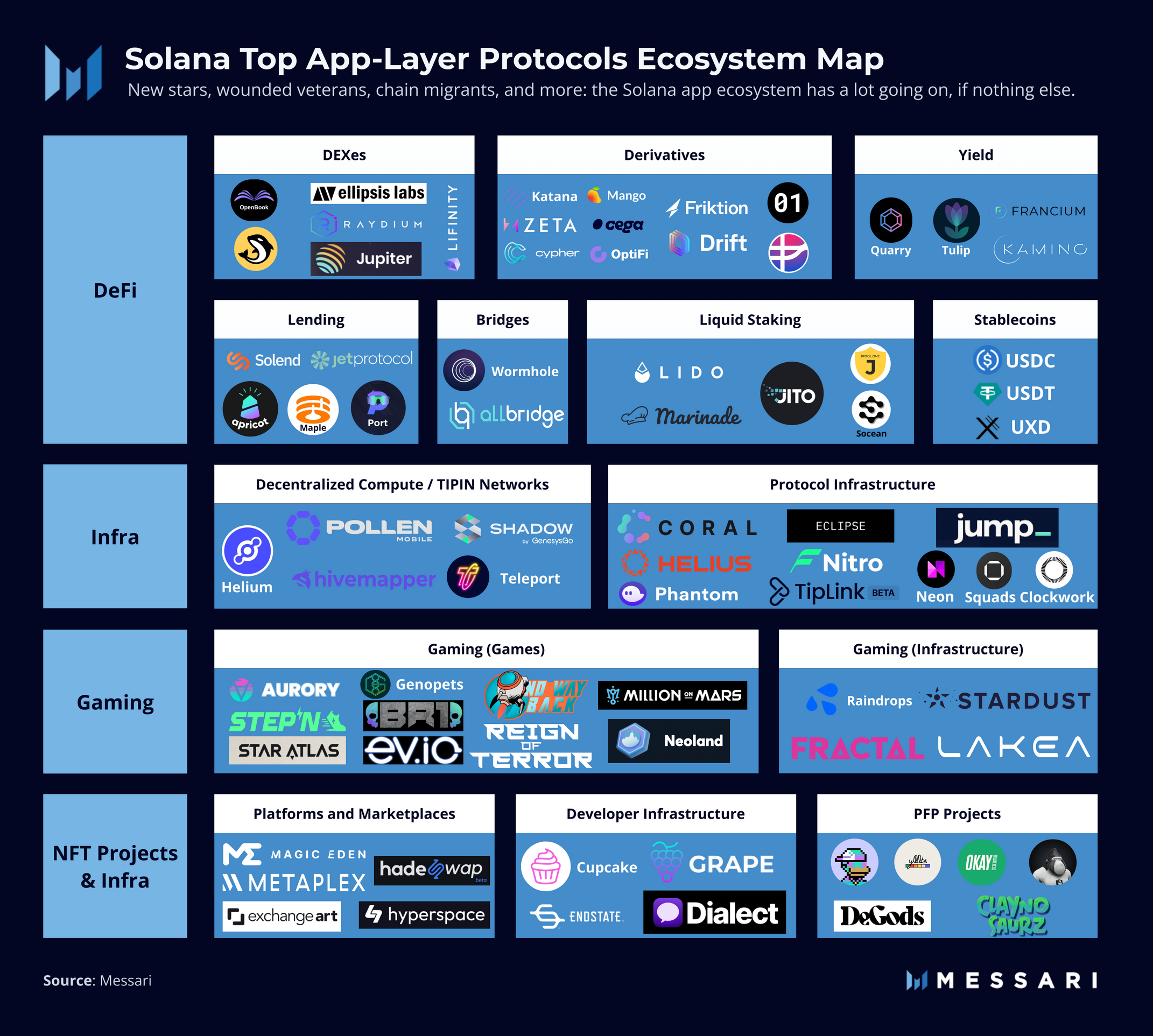
If you are building AI agents, decide between Solana-native depth and cross-chain breadth. Tools like GOAT offer over 200 protocol integrations through a unified API, but this convenience comes at the cost of deep Solana-specific optimization. Choose native Solana protocols if you prioritize low-latency execution and deep liquidity within the ecosystem. Opt for multi-chain adapters only if your agent’s primary value lies in aggregating assets across multiple networks.
Institutional adoption in 2026 is heavily driven by tokenized RWAs. Determine if your strategy aligns with this shift by evaluating the regulatory clarity and execution integrity of current Solana-based RWA platforms. Unlike the early Solana narrative focused on meme coins and high-frequency trading, the 2026 landscape rewards projects that provide predictable finality and robust compliance frameworks. Focus on platforms that demonstrate institutional-grade security rather than just transaction speed.
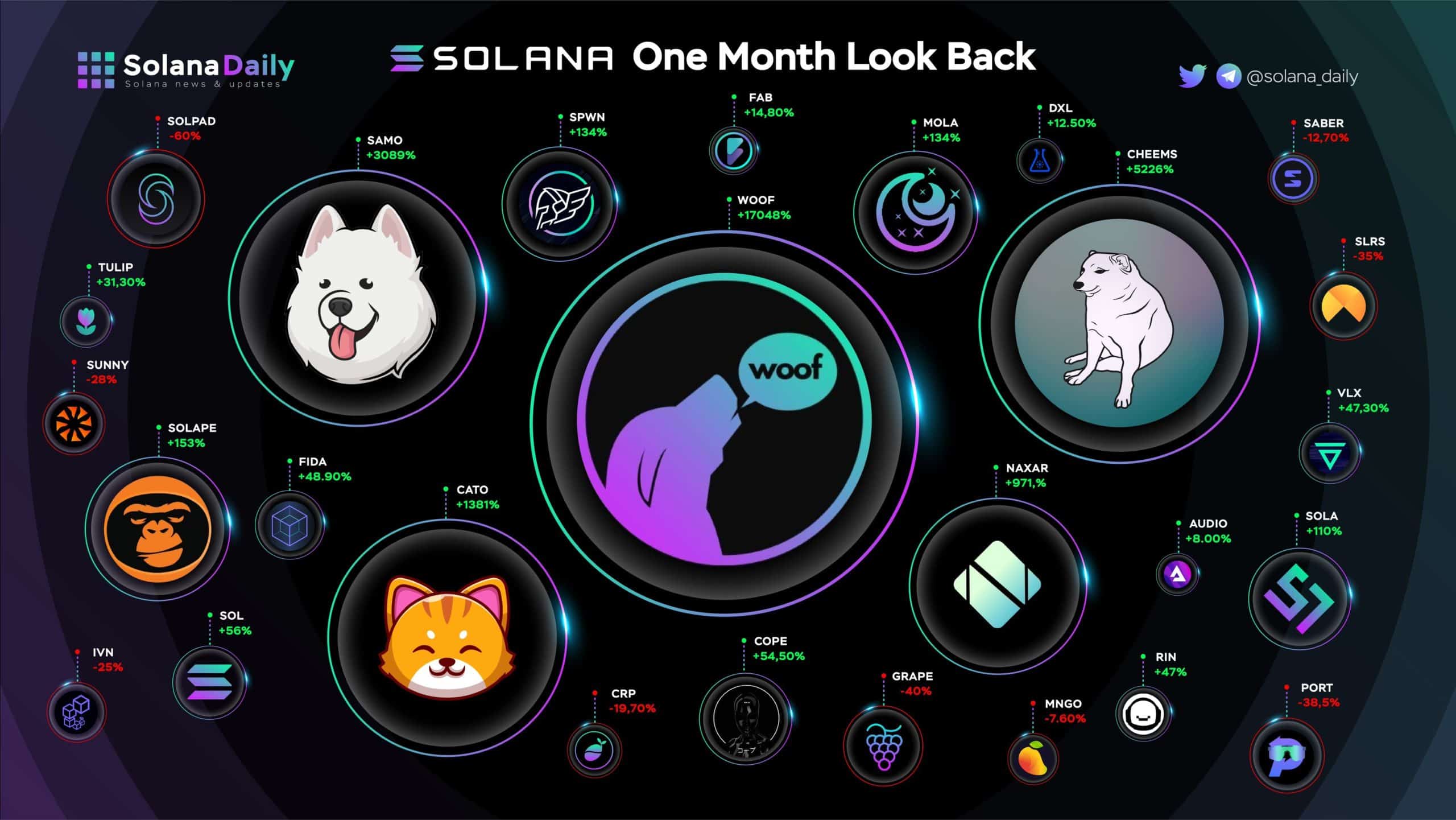
Market predictions for Solana in 2026 are mixed, with prediction markets showing only a 0.5% chance of reaching $90 by mid-2026. Conversely, support levels around $60 have a 3.3% probability of holding. Be skeptical of extreme price targets, such as $10,000 per SOL, which would require a $5.4 trillion market cap—mathematically unlikely given the current circulating supply of roughly 540 million tokens. Base your financial decisions on these grounded probabilities rather than viral social media narratives.
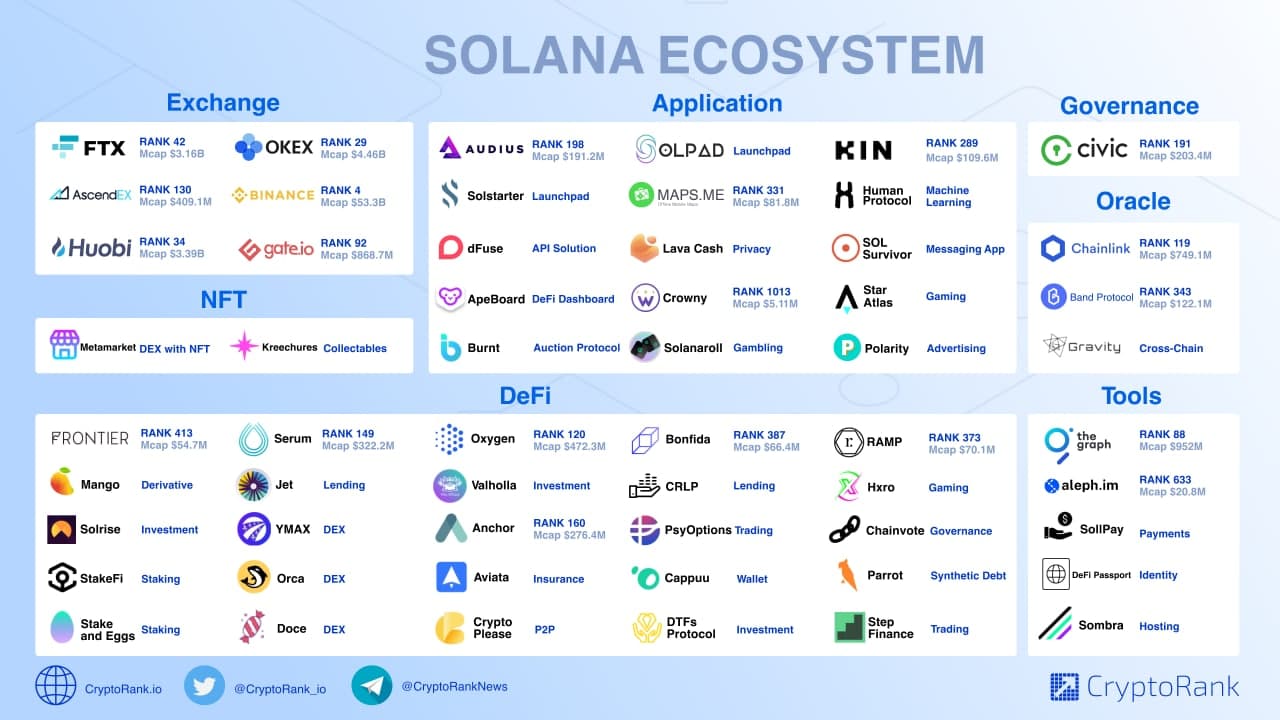
Solana is not the only player in the 2026 AI crypto space. Projects like NEAR Protocol, Bittensor (TAO), and Render (RENDER) are also seeing significant growth. Evaluate whether Solana’s specific infrastructure advantages outweigh the specialized AI capabilities of these competitors. If your goal is broad DeFi integration, Solana remains a strong contender. If your focus is purely on decentralized AI computation or model training, other chains may offer better suited environments.


As an Amazon Associate, we may earn from qualifying purchases.
Avoid the weak options
Use this section to make the Solana's Ecosystem decision easier to compare in real life, not just on paper. Start with the reader's actual constraint, then separate must-have requirements from details that are merely nice to have. A practical choice should survive normal use, maintenance, timing, and budget. If a recommendation only works in an ideal situation, call that out plainly and give the reader a fallback path.
The simplest way to use this section is to write down the must-have criteria first, then compare each option against those criteria before weighing nice-to-have features.
Solana ai integration 2026: what to check next
Addressing the practical hurdles of Solana’s 2026 ecosystem requires looking past marketing hype to on-chain realities. Whether you are evaluating institutional adoption or speculative AI agent tokens, the data points to a network prioritizing execution integrity over raw speed.
These answers reflect the current divergence between Solana’s institutional roadmap and its speculative AI narrative. Traders should monitor the Solana Developer Platform’s adoption rates as a leading indicator for long-term price stability.
No comments yet. Be the first to share your thoughts!