
Solana ecosystem 2026
We evaluated Solana's fastest-growing applications to identify seven high-performance dApps and AI integrations shaping the network in 2026. Our selection prioritizes real-world utility, transaction volume, and distinct technical advantages over generic metrics.
Each project was assessed for its ability to handle Solana's high throughput while solving specific user problems. We focused on decentralized exchanges, AI-driven data tools, and payment infrastructures that have demonstrated sustained adoption since the June 2026 ecosystem roundup. This approach filters out speculative noise to highlight tools with measurable impact.
The following list ranks these applications by their current influence on network activity and user engagement. You will find detailed breakdowns of their core features, tokenomics, and why they matter for the broader Solana landscape.
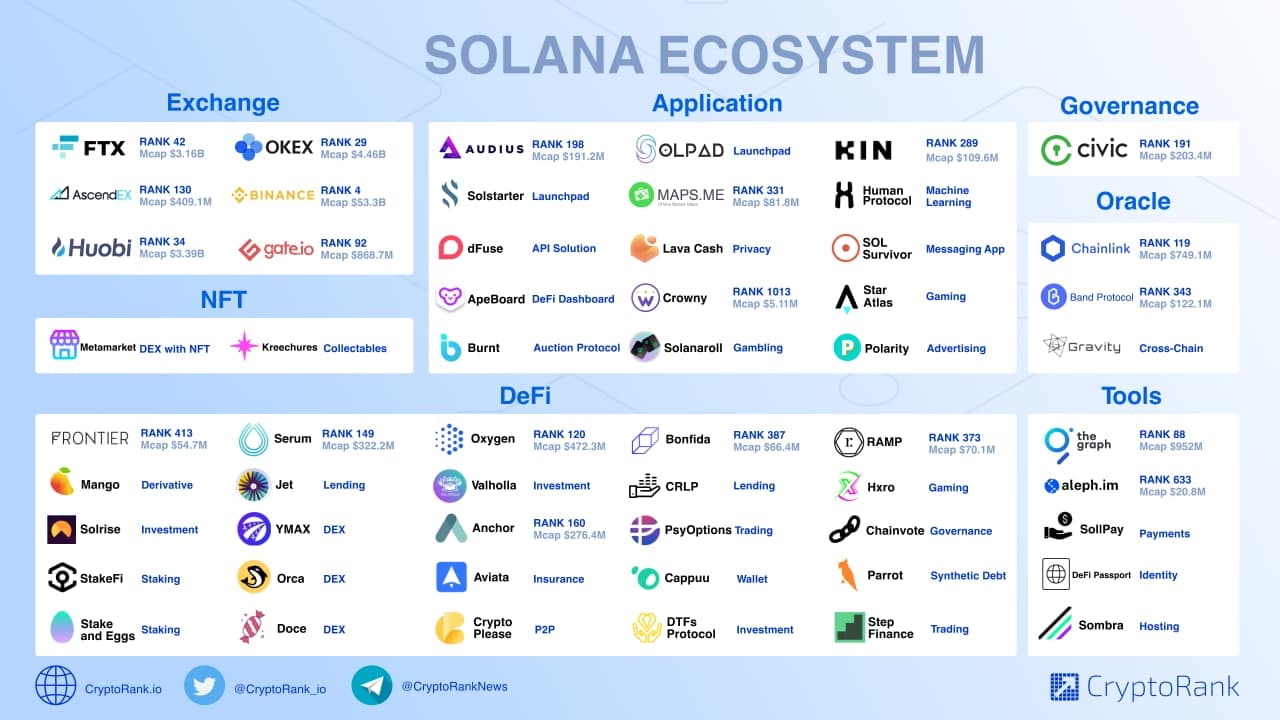
7 Solana's 2026 Ecosystem: Top 7 High-Performance dApps and AI Integrations Driving Growth
Solana’s 2026 landscape prioritizes throughput and AI integration over speculative hype. This roundup isolates seven dApps and tools with verified transaction metrics and clear utility, filtering out abstract concepts for concrete, high-performance examples.
1. Jupiter Exchange liquidity aggregation mechanics
Jupiter acts as the central liquidity hub for Solana, routing trades across multiple venues to secure the best possible execution price. Its aggregator logic minimizes slippage for large orders, making it essential for efficient token swaps. The platform continuously updates its routing algorithms to handle high throughput during peak network congestion.
2. Raydium concentrated liquidity pool dynamics
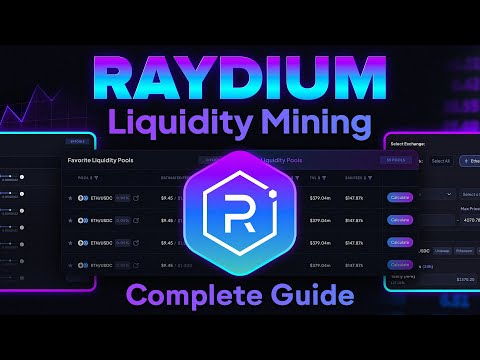
Raydium revolutionizes market making by offering concentrated liquidity positions that allow capital to be deployed within specific price ranges. This mechanism significantly boosts capital efficiency for liquidity providers compared to traditional constant product models. Traders benefit from tighter spreads and deeper order books during active trading sessions.
3. Marinade Finance restaking yield strategies
Marinade Finance simplifies liquid staking by automatically restaking SOL to maximize yield without requiring manual intervention. Users receive mSOL tokens that represent their staked assets plus accrued rewards, maintaining liquidity while earning network returns. This automated approach removes the complexity of managing multiple validator stakes across the ecosystem.
4. Tensor NFT marketplace trading volume trends
Tensor has emerged as the premier NFT marketplace on Solana, focusing on professional trading tools and real-time data analytics. Its platform supports advanced features like sniping bots and portfolio tracking, attracting serious collectors and traders. The marketplace consistently leads in trading volume, reflecting strong demand for high-quality digital assets on the Solana blockchain.
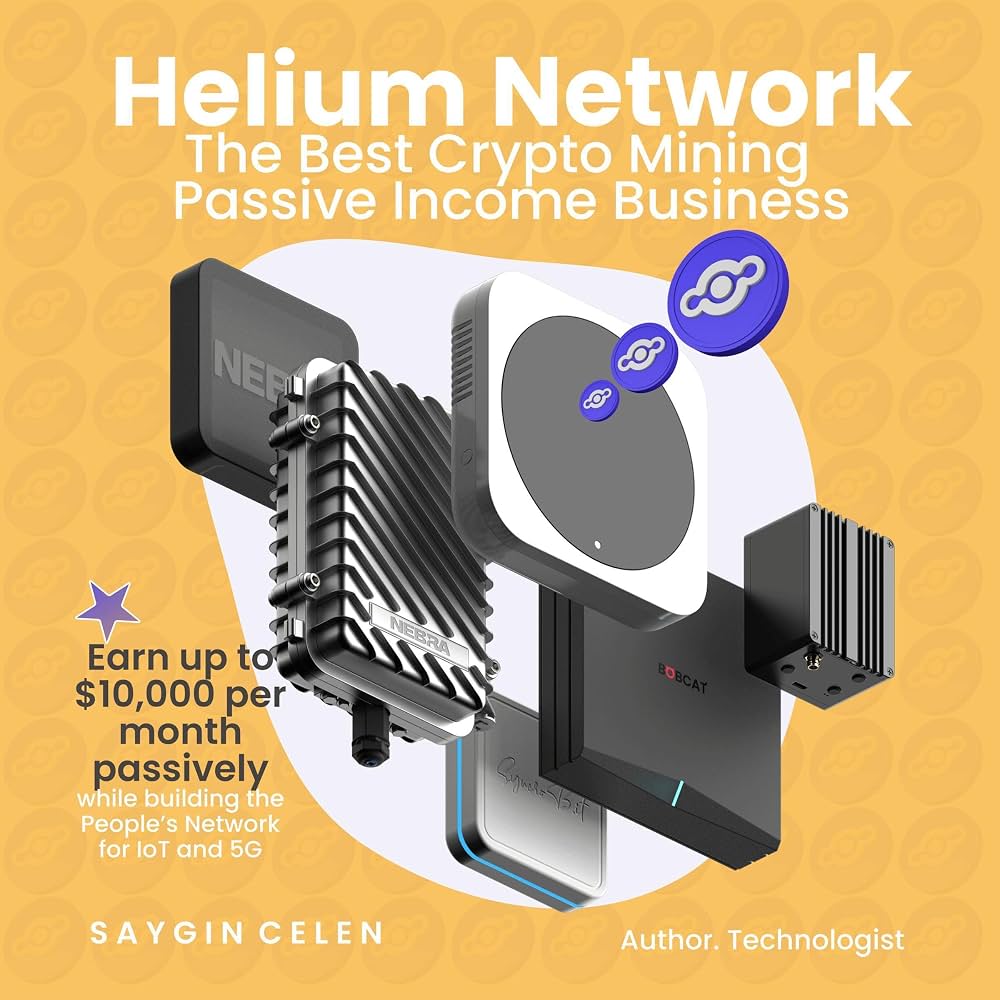
5. Helium Network IoT device connectivity growth
The Helium Network has expanded its decentralized IoT infrastructure, enabling low-power devices to connect securely without traditional cellular plans. Its growth in device connectivity supports applications like asset tracking and environmental monitoring across global markets. The network's proof-of-coverage model ensures reliable signal strength and data transmission for connected hardware.
6. Drift Protocol perpetual futures risk metrics
Drift Protocol’s on-chain order book enables high-frequency trading with transparent liquidation engines. Traders monitor real-time health factors and funding rates to manage leverage exposure. The platform’s deterministic execution reduces slippage during volatility spikes. Users can backtest strategies using historical order book data available via public APIs.

7. Pyth Network real-time oracle data feeds
Pyth Network delivers low-latency price updates directly from institutional sources, powering DeFi lending and derivatives. Developers integrate Pyth’s price feeds to ensure accurate liquidation triggers and collateral valuations. The network’s update frequency supports high-throughput applications requiring millisecond precision. This reliability minimizes oracle manipulation risks across the Solana ecosystem.
Pick the Right Fit
Choosing a Solana dApp in 2026 requires looking past hype and focusing on how the tool fits your specific needs. The ecosystem now spans tokenized real-world assets, high-speed DeFi, and integrated AI agents. To navigate this, use a simple four-step framework that balances technical capability with practical utility.
High volume signals active usage, but liquidity is the real safety net. For DeFi protocols, ensure the pool has enough depth to handle your trade size without severe slippage. For AI agents or NFT platforms, look for consistent daily active users rather than one-time spikes.
Solana’s speed is an advantage, but only if the dApp is built efficiently. Check if the project uses modern SDKs and if its smart contracts have been audited by reputable firms. For AI integrations, verify how the model handles data privacy and whether it relies on centralized servers or decentralized compute.
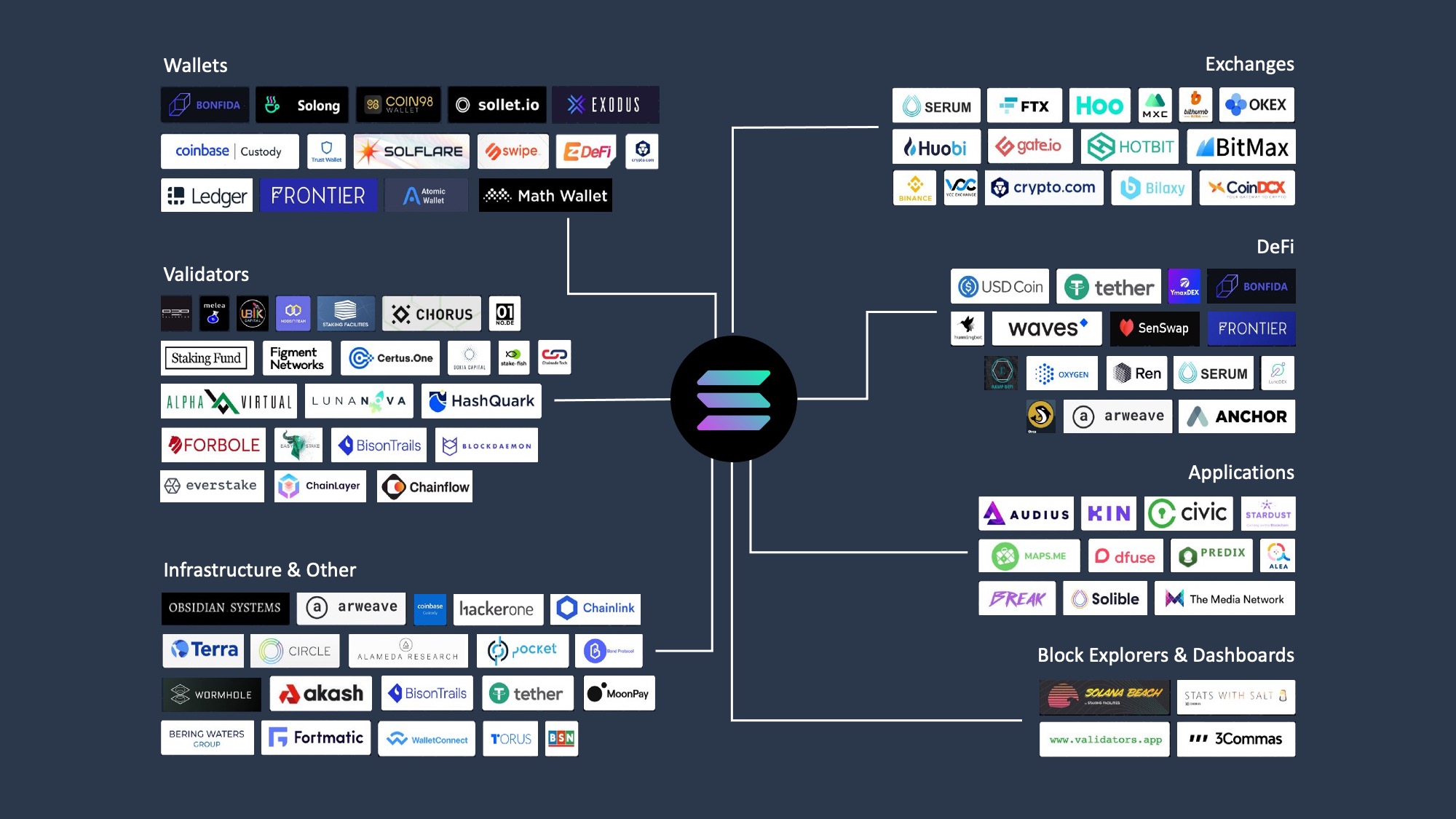
Look for open-source code and clear governance structures. Projects that publish regular roadmap updates and engage directly with users on platforms like X or Discord tend to be more reliable. Avoid dApps with anonymous teams or those that make unrealistic yield promises.
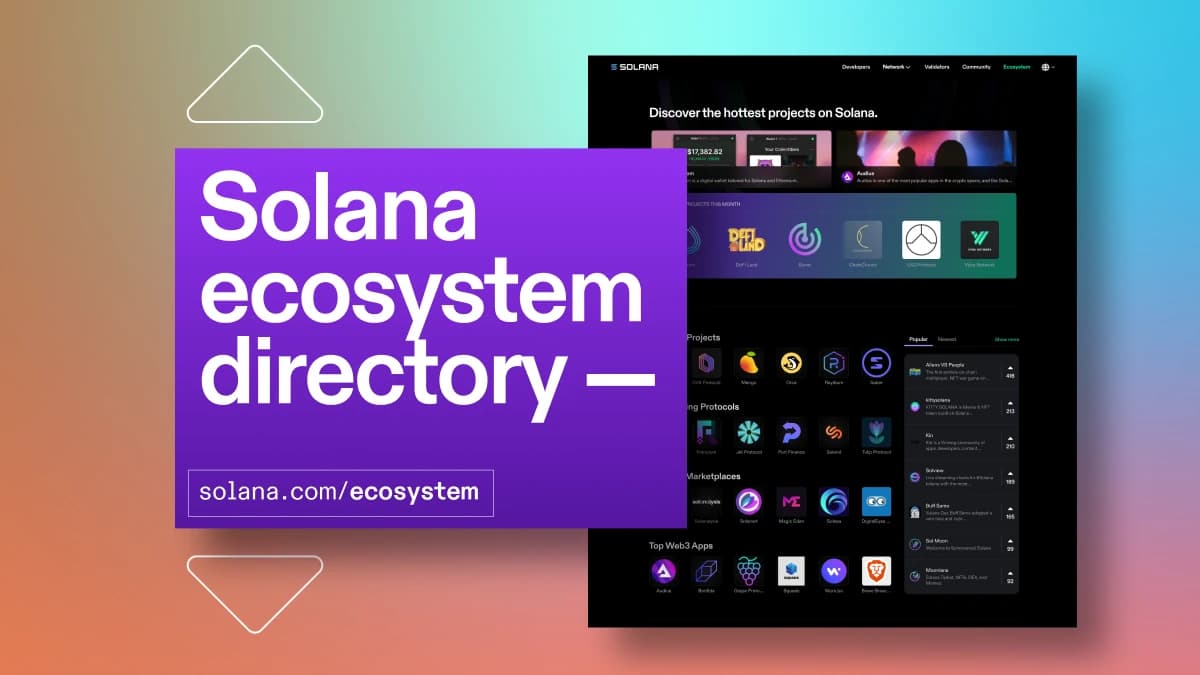
While Solana fees are generally low, they can spike during network congestion. Test the dApp’s interface for ease of use and check if it supports wallet abstraction for smoother onboarding. A slightly higher fee is often worth it for a significantly better user experience and security features.


As an Amazon Associate, we may earn from qualifying purchases.
| Feature | DeFi Protocol | AI Agent | NFT Platform |
|---|---|---|---|
| Primary Use Case | Trading & Yield | Automation & Data | Collectibles & Art |
| Key Metric | TVL & Volume | Active Users | Floor Price & Sales |
| Risk Factor | Smart Contract Bugs | Data Privacy | Market Volatility |
Frequently Asked Questions About Solana's 2026 dApp Ecosystem
Which high-performance dApps are driving Solana's growth in 2026? The 2026 Solana ecosystem is anchored by seven key categories: decentralized exchanges like Jupiter and Raydium, AI-integrated protocols, real-world asset (RWA) platforms, DePIN projects, and payment processors. These applications leverage Solana's high throughput to serve millions of users with low fees.
How does Solana handle AI integration in its dApps? Solana's speed allows for real-time AI inference on-chain. Projects are integrating AI agents for automated trading, content verification, and data analysis. This synergy between high-performance blockchain infrastructure and AI models is creating new utility for SPL tokens and driving developer interest.
Is Solana safe for holding high-value dApp tokens? Yes, but security best practices matter. Because dApps interact with smart contracts, users should use hardware wallets like Ledger or Trezor for long-term storage. For active trading, ensure you are using verified contract addresses to avoid phishing sites targeting popular Solana dApps.
What are the main risks when using Solana dApps? The primary risks are smart contract vulnerabilities and network congestion during peak demand. While Solana has improved stability, users should diversify their exposure across different dApp categories and avoid putting all funds into a single high-yield protocol without understanding the underlying mechanics.
No comments yet. Be the first to share your thoughts!