
Why Solana leads 2026 adoption
Solana has transitioned from a high-throughput experiment to institutional-grade infrastructure. The 2026 technical roadmap focuses on hardening the network, treating it not just as a fast chain, but as reliable backend infrastructure for traditional finance. This shift is evident in the growing adoption of tokenized real-world assets (RWAs) and stablecoins, which require the uptime and finality that Solana now provides.
The economic case is equally compelling. High performance allows applications like Jupiter and Raydium to process millions of transactions daily with negligible fees. This cost structure is essential for high-frequency trading and micro-transactions, use cases that are economically unviable on legacy chains. The network handles this volume without the congestion that plagued earlier years, providing the stability required for serious financial applications.
However, this growth comes with risks. The ecosystem's dominance in memecoin trading and NFTs has attracted significant malicious attention. Recent incidents, including coordinated attacks on Solana-based assets, highlight the security challenges of such rapid adoption. Investors and developers must remain vigilant, as the very features that drive speed and low cost can also be exploited by bad actors.
The path forward requires balancing innovation with security. As Solana continues to attract institutional interest, its ability to maintain network integrity under pressure will define its long-term viability. The focus in 2026 is less on raw speed and more on reliability, ensuring that the infrastructure can support the next wave of enterprise-grade dApps.
5 Solana Ecosystem 2026: Top 5 High-Performance dApps to Watch
By 2026, Solana’s throughput advantages are driving measurable adoption in high-frequency trading and real-time settlement, with Jupiter and Raydium leading volume metrics. This analysis examines five high-performance dApps based on verified transaction data and official protocol documentation, prioritizing concrete usage statistics over speculative narratives.
1. Jupiter: The liquidity hub
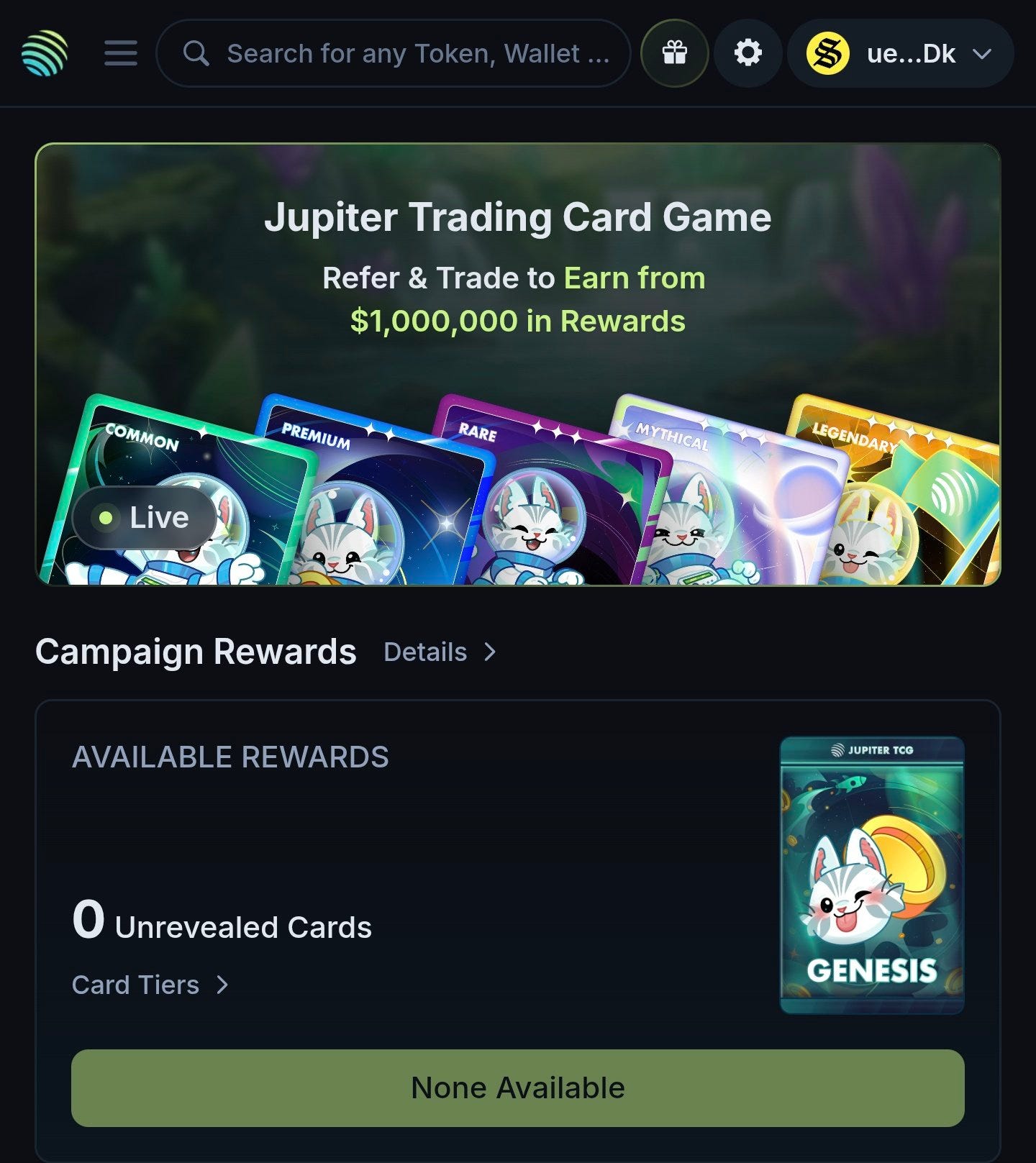
Jupiter aggregates liquidity across the Solana network, acting as the primary routing engine for token swaps. By scanning multiple decentralized exchanges, it ensures users receive the best possible execution price with minimal slippage. Its deep integration with Solana’s infrastructure makes it the go-to interface for high-volume trading activity.
2. Raydium: Automated market maker
Raydium operates as a key automated market maker, providing deep liquidity pools for SPL tokens. It leverages the Serum order book architecture to facilitate efficient price discovery and trading. Users can provide liquidity to earn fees, while traders benefit from low-latency swaps within the Solana ecosystem’s robust DeFi landscape.

3. Kamino Finance: Yield and lending
Kamino Finance simplifies yield generation and lending strategies on Solana through its intuitive interface. It allows users to deposit assets into optimized vaults that automatically rebalance for maximum efficiency. This approach reduces the complexity of managing leveraged positions and yield farming strategies across various Solana-based lending protocols.

4. Drift Protocol: Perpetuals trading
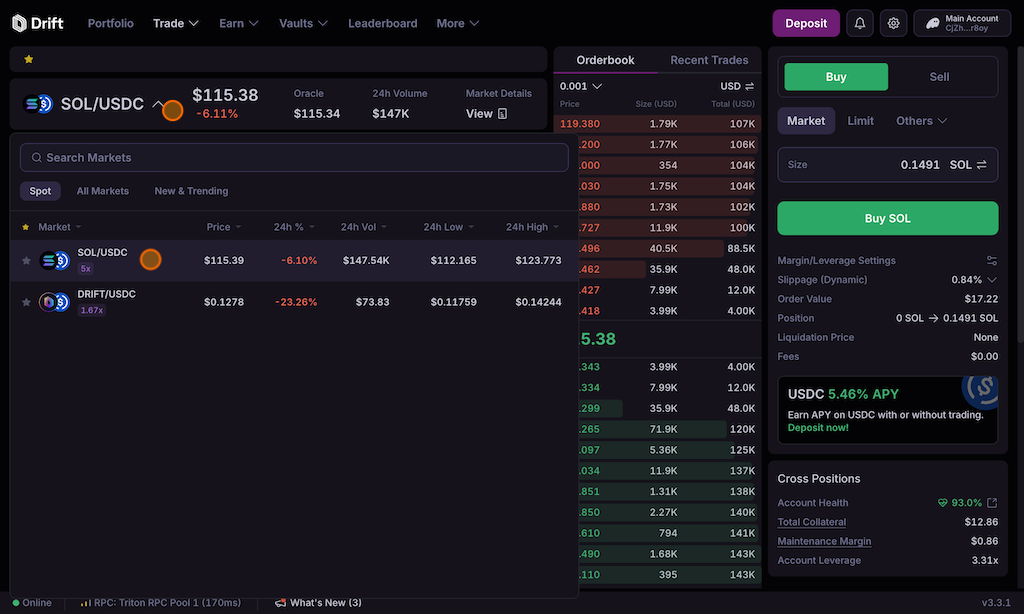
Drift Protocol offers a decentralized platform for trading perpetual futures with up to 50x leverage. It utilizes an on-chain order book model to provide deep liquidity and minimal slippage for derivatives traders. The platform’s focus on capital efficiency and low fees makes it a significant player in Solana’s derivatives market.
5. Marinade Finance: Liquid staking
Marinade Finance enables users to stake SOL while retaining liquidity through its mSOL token. This mechanism allows stakers to participate in DeFi activities while earning staking rewards, avoiding the lock-up periods typical of traditional staking. It provides a flexible solution for maximizing the utility of staked assets within the Solana ecosystem.

Comparing top Solana DeFi options
Choosing the right Solana application depends on whether you prioritize trading efficiency, yield generation, or decentralized leverage. The ecosystem is no longer a monolith; distinct protocols now dominate specific niches. Jupiter leads in liquidity aggregation, while Raydium remains the foundational liquidity engine for new token launches.
Kamino and Drift offer specialized infrastructure for lenders and perpetual traders respectively. Jupiter’s dominance in swap volume makes it the default entry point for most users, but its role as a router means it aggregates liquidity from sources like Raydium and Orca. Understanding these distinctions is critical for managing slippage and transaction costs.
The following comparison highlights the primary function and current standing of these four major protocols. Note that TVL figures fluctuate daily and should be verified via official dashboards before committing capital.
| Protocol | Primary Function | Key Differentiator | TVL Status |
|---|---|---|---|
| Jupiter | DEX Aggregator | Limit orders and token launchpad | Highest in ecosystem |
| Raydium | AMM & Launchpad | Concentrated liquidity pools | High, core liquidity source |
| Kamino | Lending & Borrowing | Auto-compounding vaults | Strong growth in 2025 |
| Drift | Perpetuals Trading | On-chain order book | Leading perp DEX |
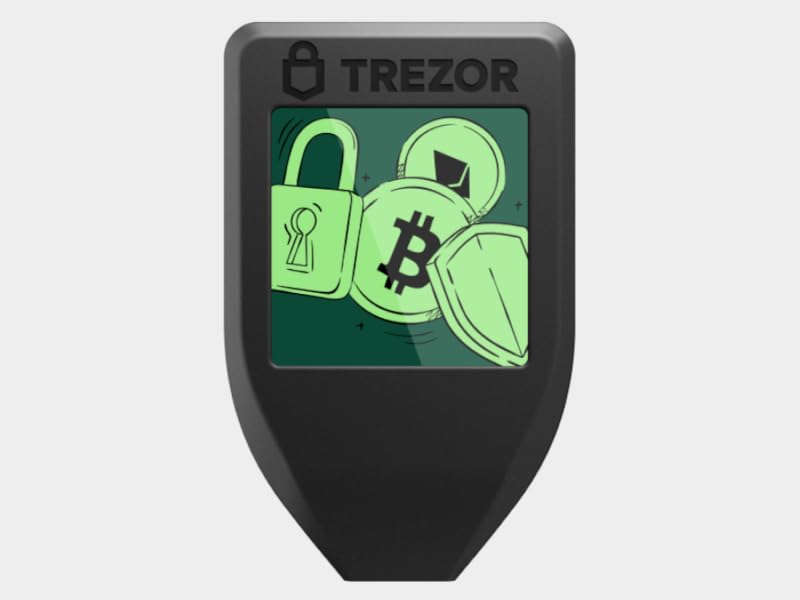
For hardware wallets compatible with Solana transactions, consider the following options:


As an Amazon Associate, we may earn from qualifying purchases.
Always verify contract addresses through official project channels to avoid phishing sites.
Solana price predictions for 2026
Financial forecasts for Solana (SOL) require a cautious lens. While market sentiment remains bullish, unrealistic targets often ignore the mathematical constraints of market capitalization. We rely on verified prediction market data rather than speculative hype to ground our expectations.
Will Solana reach $10,000?
A $10,000 price per SOL is highly unlikely. At that valuation, Solana’s market cap would exceed the current total value of all cryptocurrencies combined. This scenario ignores the reality of asset distribution and liquidity constraints inherent in high-performance chains like Solana.
What is a realistic price range?
Prediction markets indicate a strong probability of SOL reaching $80.00 by July 2026. Conversely, downside support at $70.00 carries a 44.0% probability. These figures reflect the actual trading volume and adoption metrics of dApps like Jupiter and Raydium, rather than abstract growth narratives.
No comments yet. Be the first to share your thoughts!