

Solana ecosystem 2026
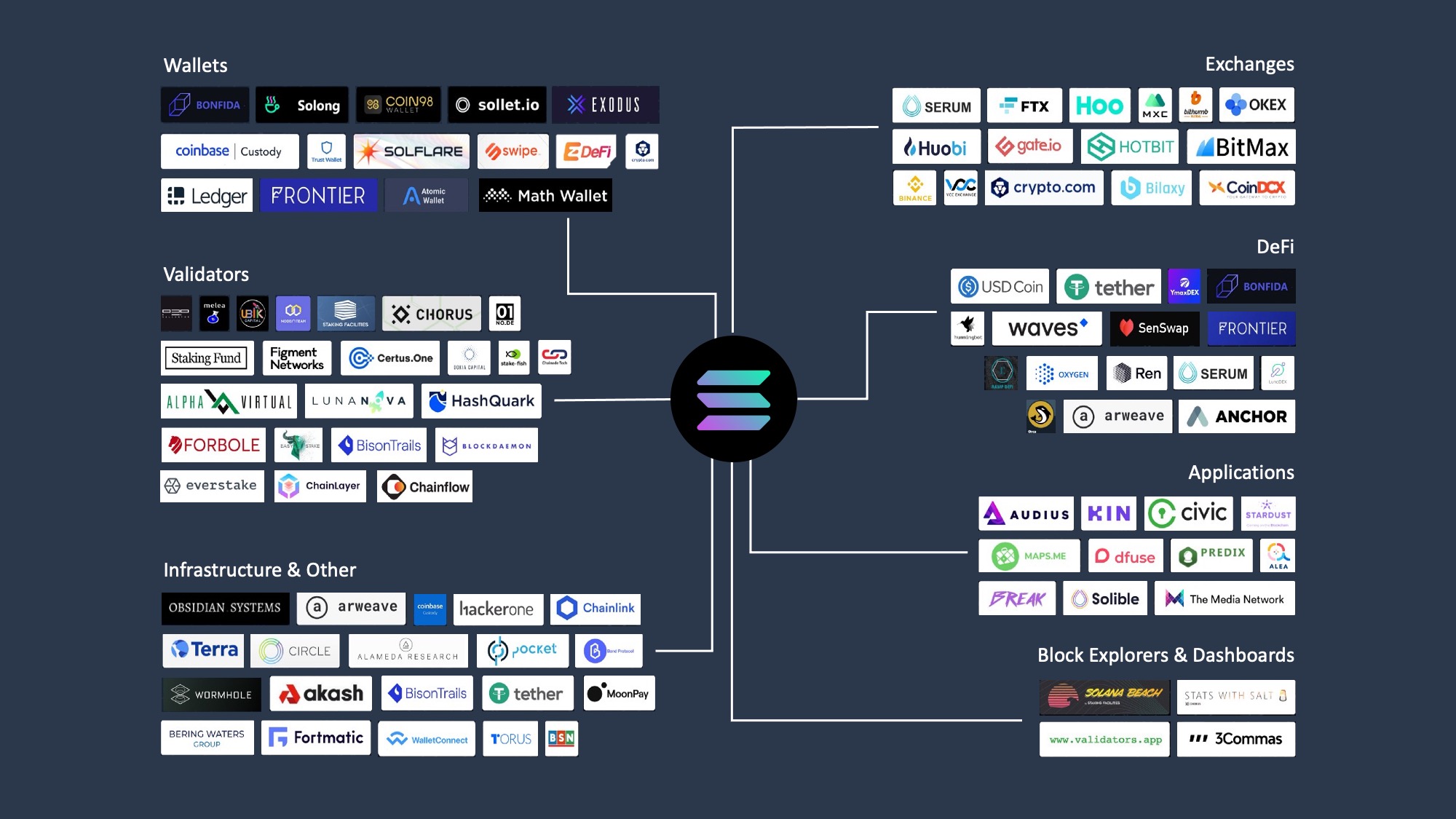
The Solana ecosystem in 2026 has shifted from speculative hype to utility-driven infrastructure. With transaction speeds stabilizing and fees remaining negligible, developers are prioritizing real-world asset (RWA) tokenization and high-frequency DeFi applications. This list highlights the five dApps that currently dominate this landscape based on total value locked (TVL), daily active users, and protocol revenue.
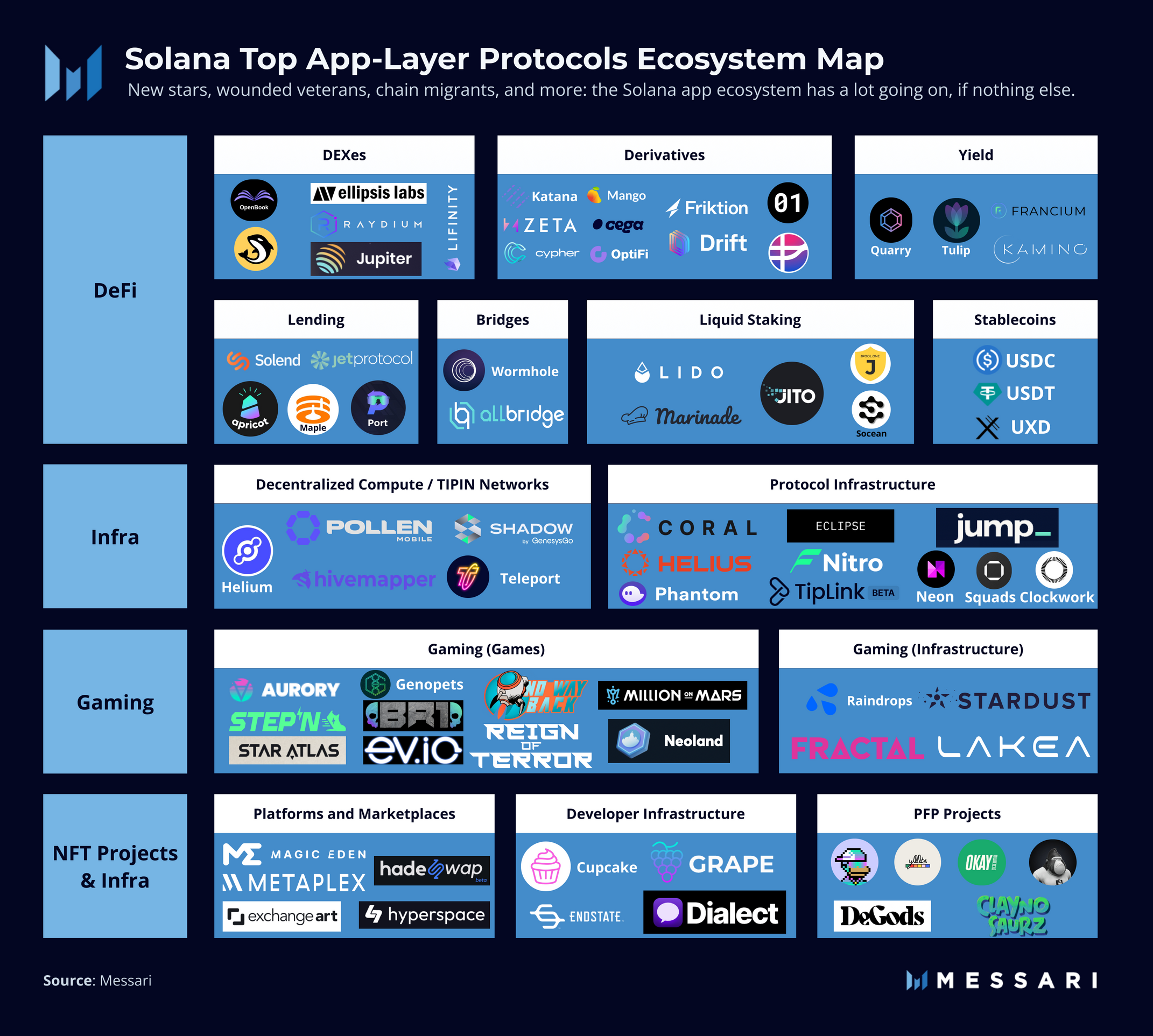
We selected these projects by analyzing on-chain metrics from mid-2025 through early 2026. We excluded projects with low liquidity or those reliant solely on incentive farming. Instead, we focused on protocols that solve specific friction points: liquidity fragmentation, cross-chain interoperability, and institutional-grade asset onboarding. Jupiter leads as the essential liquidity aggregator, while others like Raydium and Orca provide deep market depth for retail traders. For RWAs, we look to platforms integrating traditional finance rails with Solana's speed.
These five dApps represent the backbone of Solana’s current economic activity. They offer the highest signal-to-noise ratio for investors and developers looking to understand where capital is flowing in 2026.
5 Solana's 2026 Ecosystem: Top 5 High-Performance dApps Dominating DeFi and Real-World Assets
By 2026, Solana’s throughput and low fees have shifted the landscape from speculative trading to robust financial infrastructure. This section highlights five specific dApps that are currently capturing market share in decentralized finance and tokenized real-world assets.
1. Jupiter DEX Aggregator
Jupiter acts as the essential liquidity router for Solana, scanning multiple decentralized exchanges to secure the best possible execution price for your trades. Its limit order features and perpetuals integration make it a one-stop shop for traders who want to avoid slippage during high-volume market moves. The interface is clean, fast, and handles complex swap paths automatically behind the scenes.
2. Raydium Liquidity Protocol
Raydium provides the foundational liquidity pools for many Solana-based tokens, bridging the gap between automated market makers and order books. It remains a critical infrastructure piece for new token launches and established DeFi pairs, offering deep liquidity that minimizes price impact for large transactions. Traders rely on its integrated DEX and staking rewards to maximize yield on their held assets.
3. Marinade Liquid Staking
Marinade simplifies staking by converting SOL into mSOL, a liquid staking token that appreciates in value as staking rewards accrue. This allows users to keep their capital active in DeFi protocols while simultaneously earning network staking yields. It is a foundational component for anyone wanting to optimize their SOL holdings without locking them away in traditional staking contracts.

4. Drift Perpetuals Exchange
Drift offers a high-performance venue for trading perpetual futures directly on Solana, leveraging its speed for low-latency execution. The platform supports a wide range of crypto and traditional asset pairs with leverage, attracting traders who need responsive order matching and deep order books. Its community-driven governance and transparent fee structure make it a top choice for serious derivatives traders.
5. Helium Mobile Network
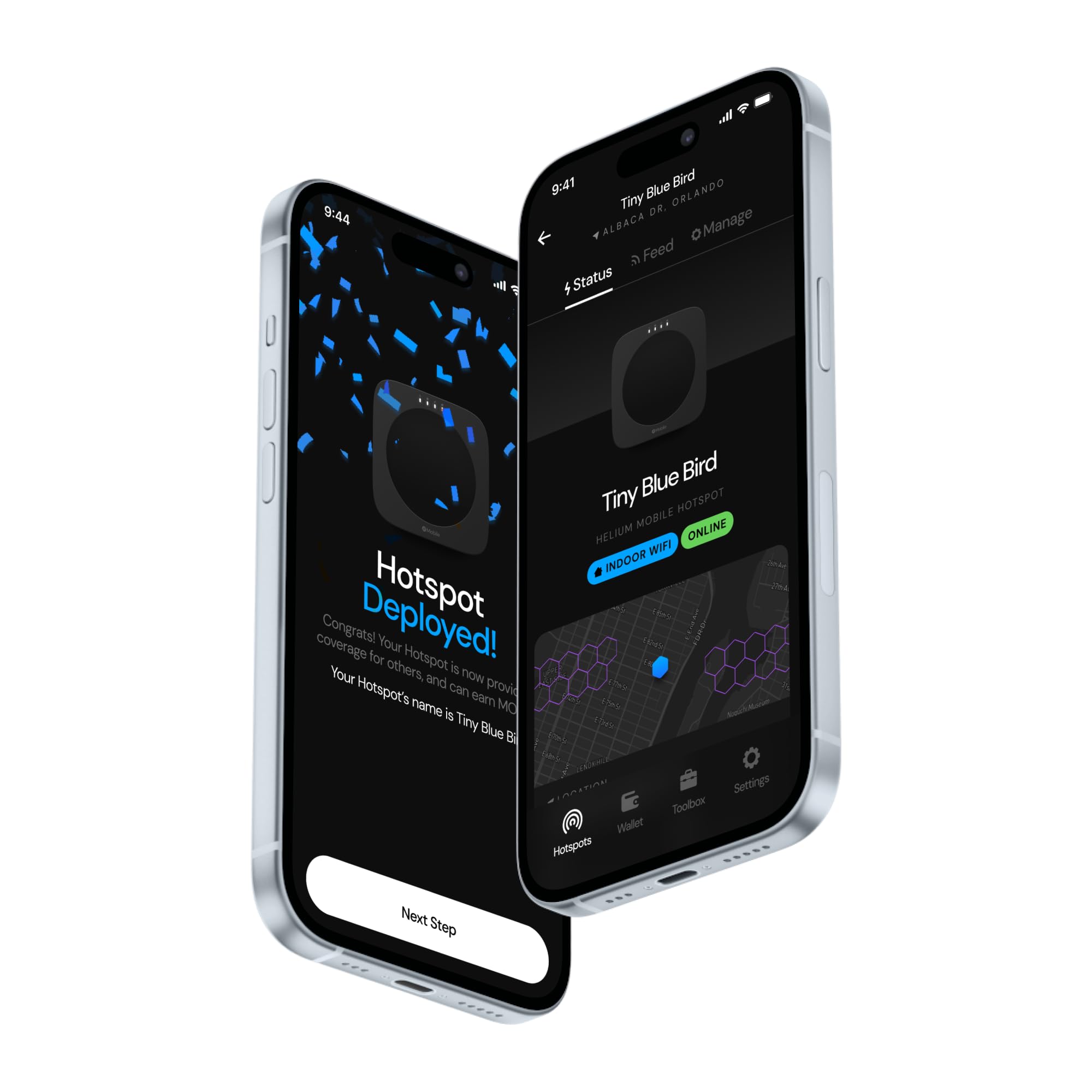
Helium Mobile transforms everyday smartphones into cellular network nodes, allowing users to earn HNT tokens by providing coverage. This decentralized wireless infrastructure offers a cost-effective alternative to traditional carriers, rewarding contributors with tangible crypto assets. It represents a significant step in real-world asset tokenization, bridging physical infrastructure with blockchain incentives seamlessly.
How to choose the right Solana dApp
Selecting a protocol for 2026 requires balancing speed with security. Think of the Solana ecosystem like a city: you want to live in a neighborhood with good infrastructure, but you also need to check the local crime rates. High performance means nothing if the underlying smart contracts are vulnerable. Focus on dApps that prioritize security audits and have demonstrated resilience during market stress.
Start by verifying the team and the code. Look for projects with public GitHub repositories and recent audit reports from firms like OtterSec or Kudelski Security. Avoid anonymous teams launching tokens with no clear utility. In DeFi and real-world assets (RWA), transparency is your best defense against rug pulls and smart contract exploits.
Next, examine the liquidity depth. A dApp might look fast, but if it lacks liquidity, you will face high slippage and poor execution. Check the total value locked (TVL) and daily active users. Protocols like Jupiter, which dominates Solana's liquidity aggregation, offer better entry and exit points because they route orders through multiple sources to find the best price.
Finally, consider the token utility and governance. Does holding the token give you voting rights or fee discounts? Or is it just a speculative vehicle? Sustainable projects align incentives between users and the protocol. If a dApp relies solely on inflationary rewards to attract users, it likely won't survive the next cycle. Look for organic growth driven by actual usage, not just yield farming incentives.
Verify that the protocol has undergone recent audits by reputable firms. Look for public reports on GitHub or the project's official website. Prioritize projects that have fixed critical vulnerabilities promptly.
Check the Total Value Locked (TVL) and daily trading volume. High liquidity ensures you can enter and exit positions without significant slippage. Use tools like Solscan or Jupiter's aggregator to see real-time liquidity distribution.
Investigate the development team's background. Look for public profiles, previous successful projects, and active community engagement. Anonymous teams carry higher risk in the DeFi and RWA sectors.
Determine if the token has real utility, such as governance rights, fee discounts, or staking rewards. Avoid tokens that offer no intrinsic value beyond speculation. Sustainable projects align user incentives with protocol growth.



As an Amazon Associate, we may earn from qualifying purchases.
| Feature | Security | Liquidity | Team Transparency |
|---|---|---|---|
| Jupiter | High (Audited, Multi-sig) | Very High (Aggregator) | Public & Active |
| Marinade Finance | High (Audited) | High (Liquid Staking) | Public & Active |
| Raydium | Medium (Audited) | High (AMM) | Public & Active |
| Orca | High (Audited) | Medium-High (Concentrated) | Public & Active |
FAQ: Solana's 2026 Ecosystem Outlook
How high can Solana go in 2026? Price predictions for Solana (SOL) in 2026 vary widely based on market cycles and network adoption. Analysts generally project a range between $250 and $600, driven by increased institutional usage and the expansion of high-performance dApps. While some bullish models suggest higher peaks during a full bull market, these figures depend on sustained transaction volume and the successful integration of real-world assets (RWAs) on the chain.
What are the upcoming Solana projects in 2026? The 2026 landscape is defined by projects that bridge traditional finance with decentralized infrastructure. Key developments include Jupiter, which has solidified its position as the largest liquidity aggregator, and Jito, which enhances staking yields through liquid staking derivatives. Additionally, new DePIN (Decentralized Physical Infrastructure Networks) projects and tokenized real-world asset platforms are launching, leveraging Solana's low fees and high throughput for enterprise-grade applications.
Can Solana reach $10,000? A $10,000 price point for SOL is considered highly unlikely in 2026 by most financial analysts. For SOL to reach this valuation, its market capitalization would need to exceed the total current value of all global financial assets, which contradicts realistic adoption curves. While Solana's technology is robust, such a price would require a fundamental revaluation of the entire cryptocurrency market that is not supported by current growth metrics or institutional adoption rates.
Can Solana reach $3,000? Reaching $3,000 per SOL would require a market capitalization exceeding $500 billion, surpassing the peak valuations of major tech companies and gold ETFs. While Solana has the technical infrastructure to support such growth, this scenario assumes a hyper-bullish global macro environment and widespread institutional adoption that has not yet materialized. Most conservative to moderate forecasts place Solana's realistic ceiling for 2026 significantly lower, focusing on steady network utility rather than speculative exponential price appreciation.
No comments yet. Be the first to share your thoughts!