
Solana ai defi limits to account for
Solana AI DeFi isn't a single protocol; it's the intersection of two distinct infrastructures. One side handles high-frequency trading and stablecoin payments. The other manages model inference and decentralized compute. Bridging these layers requires specific architectural choices that determine whether a project scales or stalls.
The primary constraint is latency. AI agents need low-latency responses to execute trades or manage assets in real-time. Solana's sub-second finality helps, but only if the oracle feeds and smart contract logic are optimized. Any delay in data verification breaks the feedback loop.
Consider these practical examples of how this integration works in practice:
- Compute-to-Trade: Agents run inference on decentralized GPU networks, then post results to Solana for execution. This separates heavy computation from the chain, keeping fees low.
- Oracle-Driven Yield: AI models analyze on-chain liquidity depth to adjust lending rates dynamically. This requires reliable, tamper-proof data feeds to prevent arbitrage exploits.
- Agent Identity: Projects like Jito or specialized identity layers allow AI agents to hold wallets and sign transactions autonomously, creating a new class of non-human market participants.
Understanding these constraints helps you evaluate which projects are building genuine utility versus those merely attaching "AI" to existing DeFi templates.
Solana ai defi choices that change the plan
Integrating AI agents into Solana’s DeFi ecosystem offers distinct advantages, but it also introduces specific technical and operational risks. When evaluating projects like Solana Echo or other AI-driven financial protocols, you need to look past the marketing hype and examine the underlying mechanics. The core tension lies between the network’s high throughput and the unpredictable nature of autonomous decision-making.
Transaction costs and slippage
Solana’s low fees are its primary draw for AI agents that execute micro-transactions. However, AI models often require rapid, high-frequency trading to be effective. During periods of high network congestion, even Solana can experience latency. This can lead to significant slippage, where the execution price deviates from the expected price. Projects that rely on precise arbitrage strategies may find their margins eroded by these network realities.
Data latency and oracle reliability
AI agents depend on real-time data to make decisions. If the oracle feeds providing market data are delayed or inaccurate, the AI’s strategy fails. Solana’s speed is only as good as the data it processes. You must verify that the AI DeFi project uses reliable, low-latency oracles. A delay of even a few seconds can mean the difference between profit and a liquidated position.
Smart contract complexity and risk
AI integration adds layers of complexity to smart contracts. More code means more potential attack vectors. While Solana is secure, the integration of external AI models and automated trading logic increases the surface area for exploits. Look for projects with rigorous audit trails and clear governance mechanisms. The "agentic internet" infrastructure mentioned by the Solana Foundation is still evolving, and security standards are not yet uniform across all AI DeFi protocols.
Regulatory uncertainty
Autonomous agents operating on-chain raise questions about accountability. If an AI agent makes a trade that violates compliance rules or causes market manipulation, who is responsible? The developer, the protocol, or the user? This regulatory gray area creates long-term risk. Projects that prioritize transparency and compliance frameworks are better positioned for sustainable growth in 2026.
| Factor | Solana Advantage | AI Tradeoff |
|---|---|---|
| Speed | High throughput (65k TPS) | Network congestion can cause latency |
| Cost | Ultra-low fees | Micro-fees add up at scale |
| Data | Fast finality | Oracle delays impact decision accuracy |
| Security | Proven stability | Complex AI code increases exploit risk |
How to Evaluate Solana’s AI and RWA Shift
Solana’s 2026 dominance hinges on its ability to merge high-throughput infrastructure with emerging AI and Real-World Asset (RWA) narratives. Tracking this shift requires moving beyond price speculation to assess on-chain utility and developer activity. Solana Echo serves as a practical framework for this evaluation, highlighting where capital is flowing and how AI agents are beginning to interact with decentralized finance.
To navigate this landscape, focus on these three core areas:

Look for projects where AI agents execute trades or manage liquidity autonomously. The key metric is not just AI branding, but actual on-chain transactions driven by autonomous code. Projects like Solana Echo track these interactions, distinguishing between genuine AI utility and speculative hype. Prioritize protocols that demonstrate low-latency execution, a critical requirement for AI-driven financial decisions.
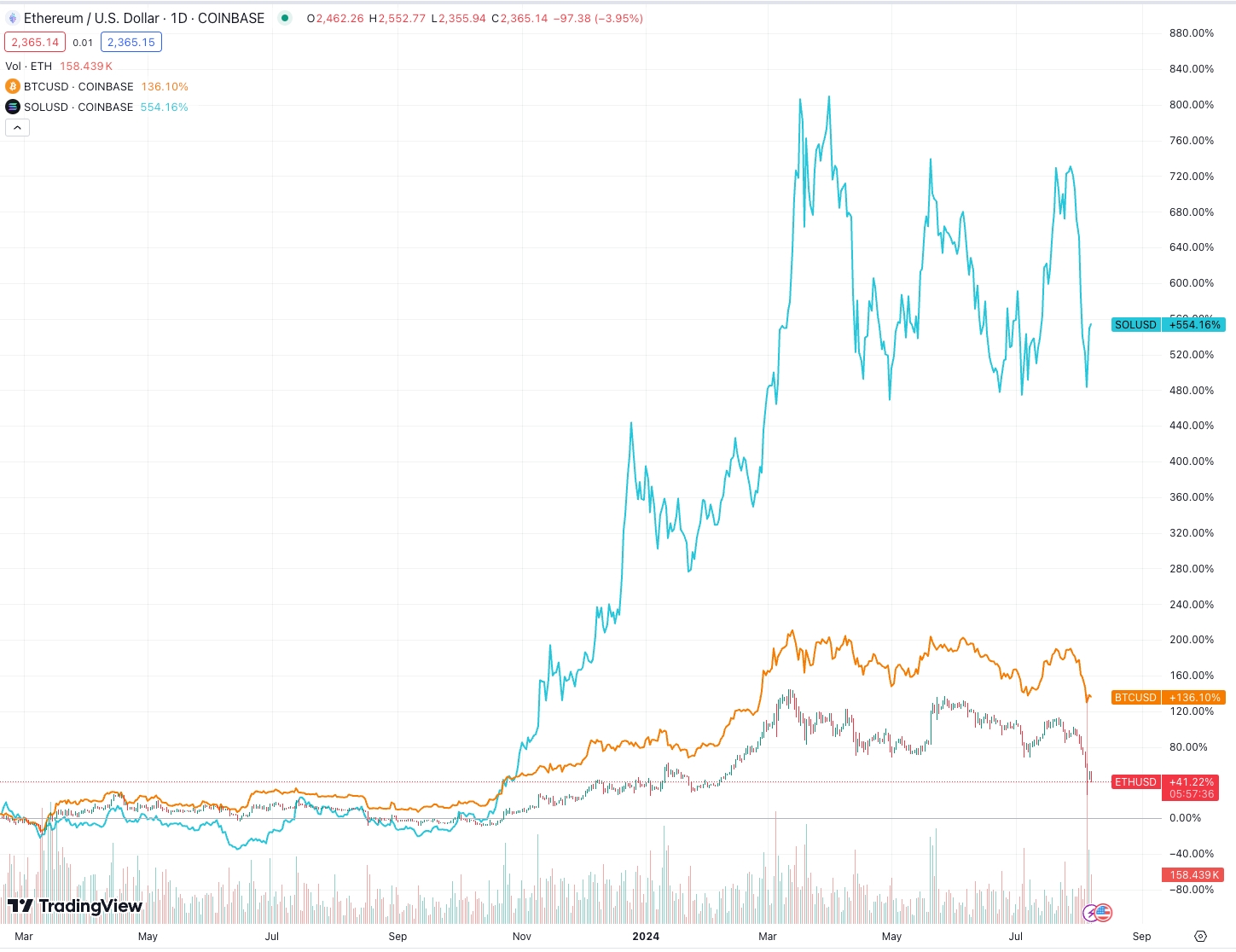
Real-World Assets are moving from pilot programs to scalable deployment. Evaluate the total value locked (TVL) in tokenized treasuries, real estate, and commodities on Solana. High-volume RWA protocols signal institutional confidence and provide a stable revenue layer for the network. Check if the underlying assets are verified by reputable custodians, as transparency is the primary barrier to mainstream RWA adoption.
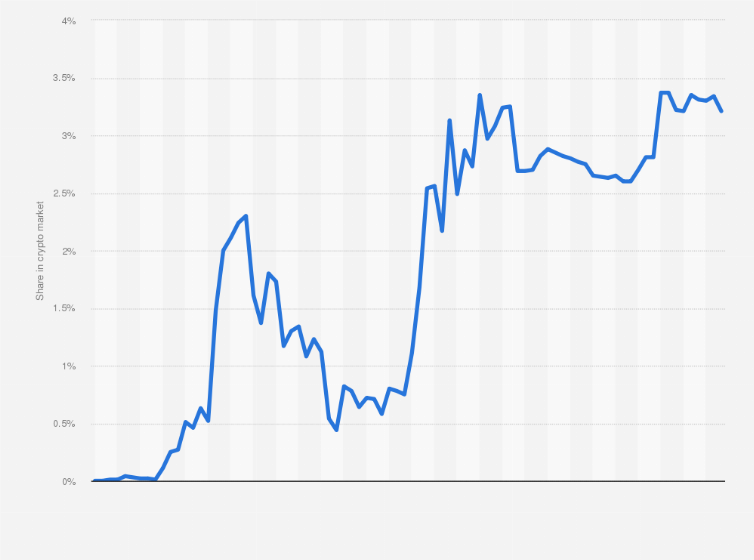
Sustained dominance requires continuous innovation. Track new GitHub commits and deployed smart contracts, especially those related to AI infrastructure and RWA standards. A surge in developer activity often precedes price appreciation. Solana Echo highlights these trends by correlating code deployment with market sentiment, offering a forward-looking indicator of network health and ecosystem growth.
Spotting Misleading Claims in Solana Echo Tracking
The narrative around Solana Echo and AI-integrated DeFi often conflates infrastructure capability with actual product utility. Many projects claim "AI integration" simply by using a machine learning model for basic trade execution, a feature already standard on Solana. This section identifies the weak options and common mistakes in current market analysis.
Vague "AI" Labels Without Technical Specifics
A common mistake is accepting projects that use "AI" as a marketing buzzword without detailing their architecture. Solana provides the foundation for open intelligence, but true integration requires decentralized ownership and efficient resource allocation. If a project cannot explain how its AI models interact with Solana's low-latency transaction layer, it is likely a weak option. Look for concrete use cases like on-chain data verification or automated yield optimization, not just generic "smart" features.
Ignoring real-world asset (rwa) liquidity limits to account for
Another misleading claim involves the seamless movement of Real-World Assets. While Solana supports high throughput, many RWA projects struggle with actual liquidity depth and regulatory compliance. Do not assume that tokenizing an asset automatically creates a viable market. Check if the project has established partnerships with traditional finance entities and if the tokenized assets are truly backed by verifiable, off-chain reserves. Weak options often lack these structural safeguards.
Overlooking Network Congestion Risks
Finally, some analyses ignore Solana's historical congestion issues when discussing high-frequency AI trading. While the network has improved, it is not immune to downtime during peak demand. A robust AI-DeFi strategy must account for potential slippage or transaction failures. Projects that promise "seamless" execution without contingency plans are making unrealistic claims. Always verify the project's uptime history and its ability to handle sudden spikes in DeFi volume.
Solana ai defi: what to check next
These answers address the most common practical concerns for investors and builders entering the Solana AI DeFi space. Understanding the distinction between the base layer and the AI applications built on top is essential for navigating this rapidly evolving sector.
No comments yet. Be the first to share your thoughts!