
Solana market trends 2026
Solana’s trajectory in 2026 is defined by its ability to sustain high throughput while managing network stability. The market is shifting from speculative hype toward utility-driven growth, with daily active users and DeFi volume serving as the primary indicators of health. Unlike previous cycles driven largely by meme coins, 2026 sees a consolidation around real-world applications, payment rails, and institutional-grade infrastructure.
Price forecasts for this period suggest a floor near $71, with typical trading clustering around $105 and a ceiling approaching $126. These projections are shaped by core economic forces, including inflation rates, regulatory clarity, and the broader crypto market cycle. Some analysts project a November 2026 range between $75.19 and $78.88, reflecting cautious optimism rather than explosive growth.
The network’s dominance in daily active users continues to outpace Ethereum, driven by lower transaction costs and faster settlement times. This user base is critical for DeFi volume, as it enables high-frequency trading and micro-transactions that are economically unviable on slower chains. However, this growth comes with tradeoffs, particularly regarding centralization concerns and past network outages.
Investors and developers are weighing these factors carefully. The consensus is that Solana will remain a top-tier blockchain, but its value proposition is now tied to consistent performance and ecosystem maturity rather than mere speed. As the market matures, the focus shifts from "if" Solana will succeed to "how" it will maintain its edge against competitors.
Solana market trends 2026 choices that change the plan
Solana’s 2026 narrative rests on a clear tradeoff: you are buying execution speed and low fees in exchange for a network that demands strict validator uptime. While Ethereum offers a mature ecosystem with proven security guarantees, Solana provides a high-throughput environment that feels closer to traditional payment rails. This section breaks down the concrete factors you should evaluate when choosing between the two.
Speed and Cost
Solana processes thousands of transactions per second with fees that remain fractions of a cent. This makes it ideal for high-frequency trading, gaming, and micro-transactions where Ethereum’s gas costs would make the activity unprofitable. Ethereum, by contrast, has lower throughput but offers predictable costs via Layer 2 rollups, which are becoming increasingly efficient.
Decentralization and Security
Ethereum’s validator set is larger and more geographically distributed, reducing the risk of single points of failure. Solana’s higher hardware requirements mean fewer validators, which some critics argue centralizes control. However, Solana’s architecture prioritizes speed over maximum decentralization, a choice that works well for consumer applications but carries different systemic risks.
Ecosystem Maturity
Ethereum hosts the deepest liquidity and most established DeFi protocols, offering a safety net for large capital deployments. Solana’s ecosystem is growing rapidly, particularly in meme coins, NFTs, and DePIN (Decentralized Physical Infrastructure Networks). If you prioritize innovation and user experience, Solana’s active user base is currently outpacing Ethereum’s in several categories.
Network Stability
Solana has experienced outages in the past, though frequency has decreased significantly. These events can halt trading and erode trust during critical market moments. Ethereum has never experienced a full network halt since its inception. For institutions or risk-averse investors, Ethereum’s reliability is a primary advantage, while Solana’s volatility is both a risk and a catalyst for rapid adoption.
| Feature | Solana | Ethereum |
|---|---|---|
| Transactions Per Second | ~65,000 | ~15–30 (Layer 1) |
| Average Transaction Fee | <$0.01 | $1–$10+ (Layer 1) |
| Validator Count | ~2,000 | ~1,000,000 (Nodes) |
| Primary Use Case | High-frequency apps, DePIN, Gaming | DeFi, Stablecoins, Institutional Settlement |
| Network Uptime | High, with occasional outages | Consistent, never fully halted |
Price Outlook and Volatility
Market projections for Solana in 2026 vary, with some analysts suggesting a floor near $71 and a ceiling around $126. Others, like Changelly, predict a minimum of $75.19 for November 2026. These figures reflect the asset’s historical volatility and its sensitivity to broader crypto market trends. Solana’s price action is often driven by its utility in active networks rather than just speculative demand.
Choose the Next Step: Solana or Ethereum
Deciding between Solana and Ethereum depends on what you need the network to do right now. Solana leads in daily active users and DeFi volume because it prioritizes speed and low fees, making it the default choice for high-frequency trading and consumer applications. Ethereum remains the settlement layer for institutional capital and long-term value storage, offering deeper liquidity and a more established security model.
Use this framework to match your goals with the right chain. The decision is rarely about which is "better" in a vacuum, but which fits your specific tradeoff between cost, speed, and decentralization.
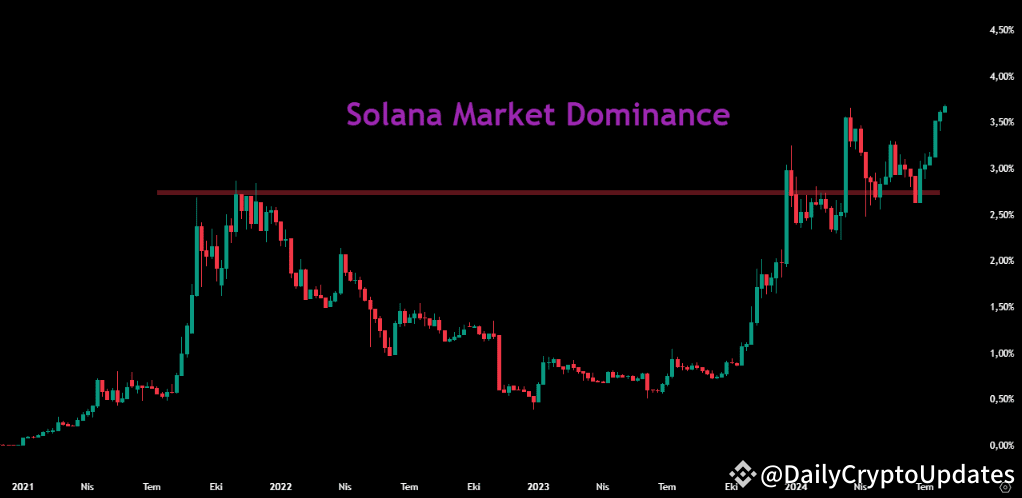
If you are trading meme coins, using decentralized exchanges with high volume, or building a consumer-facing app, Solana is the practical choice. Its architecture handles thousands of transactions per second with fractions of a cent in fees. This makes it ideal for activities where transaction costs on Ethereum would erase profit margins or create friction for users.
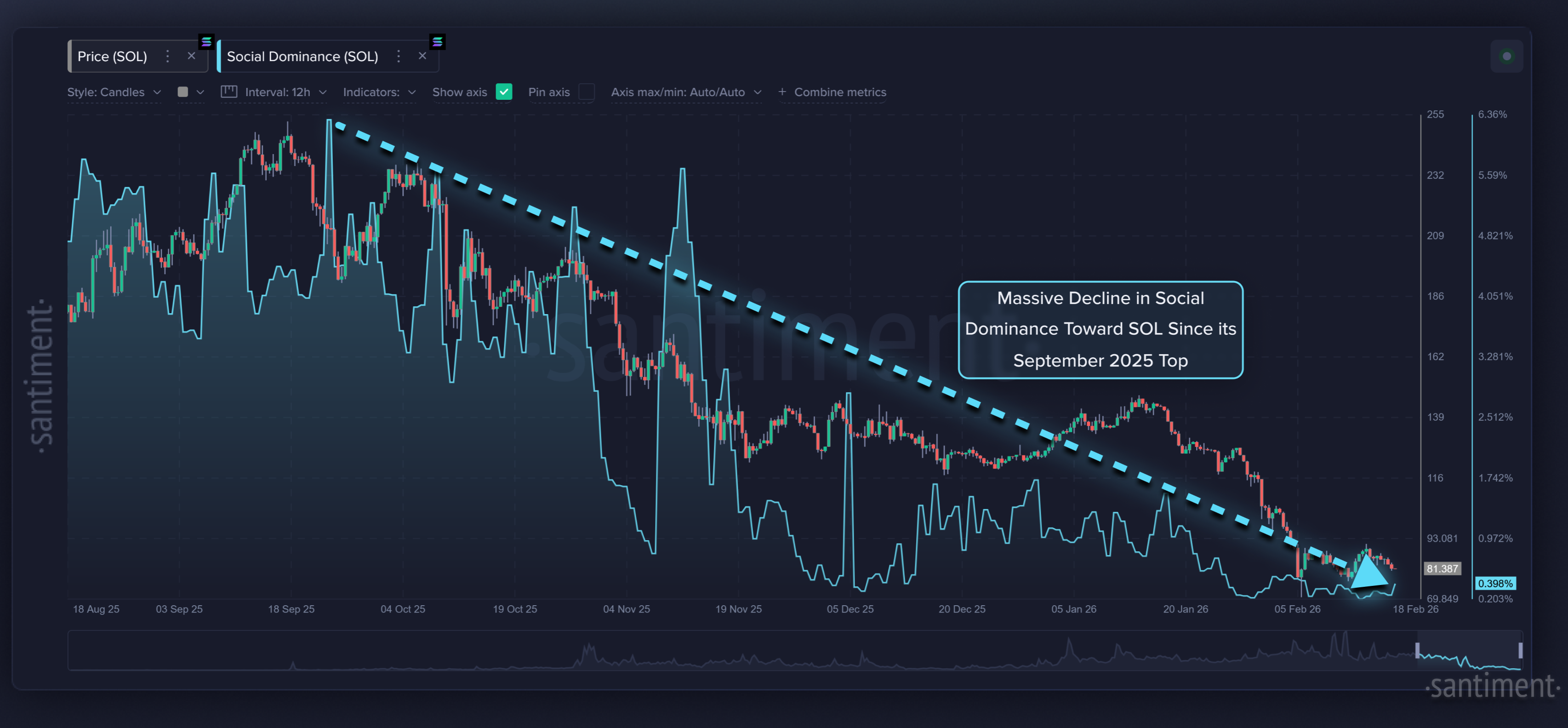
For holding significant value, participating in governance, or interacting with established DeFi protocols like Aave or Lido, Ethereum is the safer bet. Its proof-of-stake consensus and decades of uptime provide a level of decentralization and security that Solana is still working to match. Institutional investors and large funds typically settle here first.
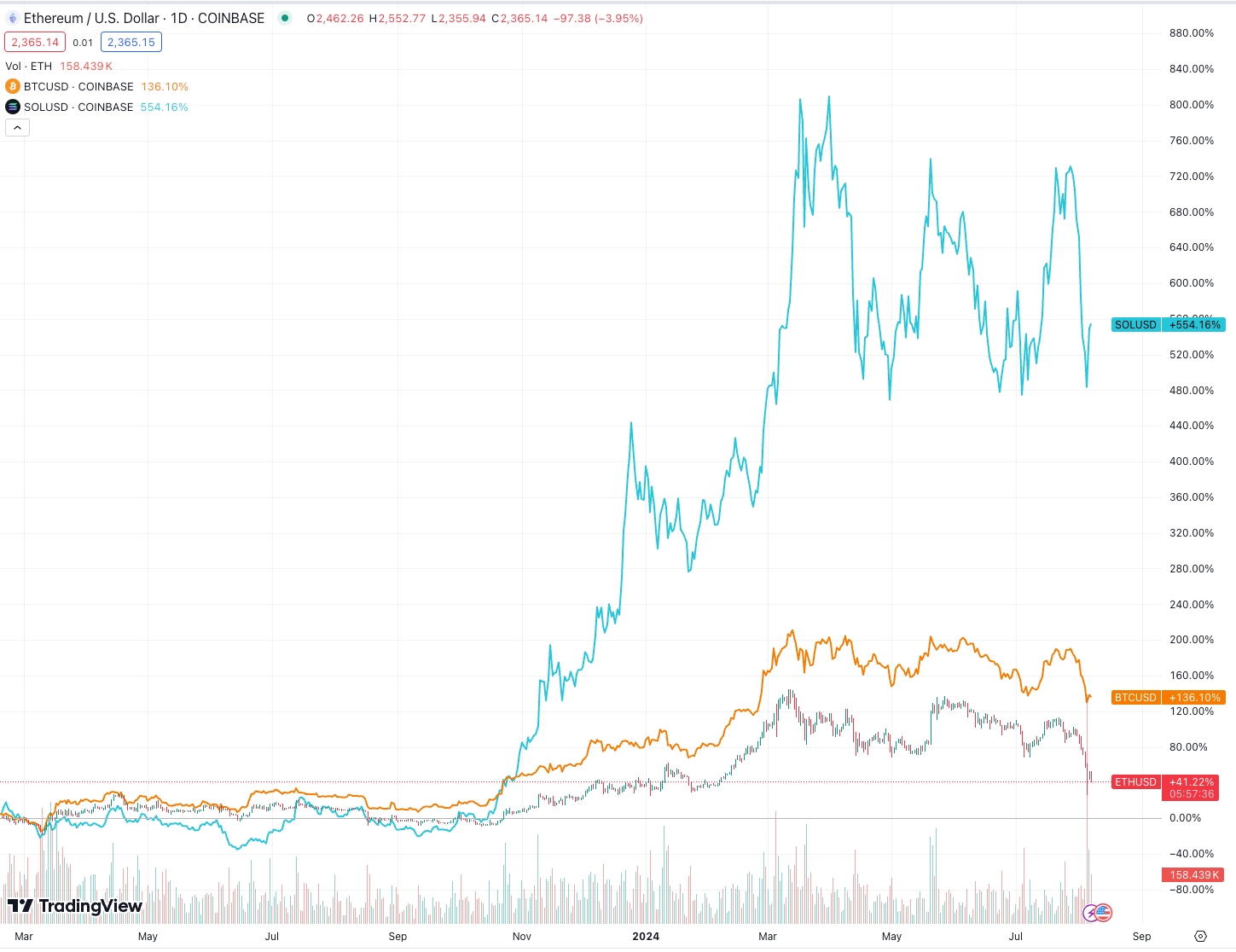
Most sophisticated strategies do not force a binary choice. Many investors and developers use Solana for active trading and experimentation due to its efficiency, while keeping core holdings on Ethereum for stability. This approach captures Solana's growth in daily active users while maintaining a anchor in Ethereum's deeper liquidity pools.
Spotting Weak Solana Predictions
Many 2026 price forecasts rely on vague projections rather than on-chain reality. You will see claims of SOL hitting $200 or even $1,000, but these often ignore the structural gap between Solana and Ethereum in daily active users and DeFi volume. High price targets without matching network usage are misleading.
The dominant SERP format favors direct comparisons. Instead of chasing speculative price ceilings, focus on the metrics that actually drive value. Solana’s strength lies in its throughput and low fees, which attract retail users. Ethereum’s advantage remains in institutional trust and liquidity depth. Confusing these two dynamics leads to poor investment decisions.
The Reality of Network Dominance
Solana outpaces Ethereum in daily active users, a fact often buried in price speculation. This metric reflects actual adoption, not just token speculation. When analyzing 2026 dominance, prioritize user activity over price predictions. A network with more active users generates more fee revenue and ecosystem growth, regardless of short-term price fluctuations.
DeFi volume tells a similar story. Solana’s high-speed transactions enable complex, high-frequency DeFi interactions that Ethereum struggles to match due to gas costs. This creates a distinct use case for Solana: speed and accessibility. Ethereum remains the settlement layer for high-value, low-frequency transactions. Understanding this split helps you avoid weak options that treat both chains as interchangeable.
Making the Right Choice
Choose Solana for high-frequency trading, gaming, and micro-transactions. Choose Ethereum for long-term value storage and institutional DeFi. Avoid predictions that ignore this fundamental difference. The most accurate 2026 outlook acknowledges that Solana will dominate in user count, while Ethereum retains dominance in total value locked. This divergence is the key to realistic expectations.
Solana market trends 2026: frequently asked: what to check next
Addressing the most common questions about Solana's trajectory in 2026. These answers focus on realistic price levels, long-term viability, and the primary drivers of daily active user growth.
These projections highlight the divergence between conservative estimates and bullish targets. Always verify current market data before making investment decisions, as crypto markets remain highly volatile.
No comments yet. Be the first to share your thoughts!