
Solana 2026 trends: why hardware security matters
Solana’s ecosystem is expanding rapidly in 2026, driven by significant upgrades in network capacity and a surge in decentralized finance (DeFi) activity. As transaction volumes grow and stablecoin usage accelerates, the total value locked (TVL) on the network continues to climb. This growth attracts institutional interest and retail investors alike, but it also makes the ecosystem a more lucrative target for bad actors. The security of your assets is a fundamental requirement for participating in this evolving market.
The rise in network activity has directly correlated with an increase in sophisticated phishing attacks and smart contract exploits. Hackers are increasingly targeting the user interface and wallet interactions rather than just the underlying code. When you hold significant value on Solana, keeping your private keys online exposes them to malware, browser-based attacks, and social engineering. Hardware wallets provide the primary defense against these threats by signing transactions offline, ensuring that your keys never touch an internet-connected device.
Choosing the right hardware wallet is a critical decision for any Solana user in 2026. You need a device that offers robust support for the Solana ecosystem, including native app support and seamless integration with popular DeFi interfaces. The market offers several reputable options, each with distinct features tailored to different user needs. Whether you prioritize ease of use, advanced security features, or compatibility with multiple blockchains, selecting a verified hardware wallet is the first step in securing your Solana holdings.
Best hardware wallets for Solana in 2026
As Solana’s network evolves with higher throughput and new account structures, the hardware wallets that keep your assets safe must keep pace. A cold storage device is a signature generator and a compatibility layer between your private keys and a rapidly changing protocol. In 2026, the priority is finding devices that natively support Solana’s latest updates without relying on third-party bridges that introduce single points of failure.
The market has consolidated around a few reliable options. Ledger and Trezor dominate the landscape, but their support levels differ significantly. Ledger offers deep integration through its native Solana app, while Trezor users often rely on third-party interfaces like Solflare or Phantom for full functionality. For maximum security, native app support is non-negotiable. It ensures that transaction signing happens directly on the device’s secure element, preventing malware on your computer from altering transaction details.
The choice often comes down to ecosystem integration. If you plan to interact heavily with Solana DeFi protocols, Ledger’s broader app ecosystem provides a smoother experience. For those prioritizing open-source transparency and simplicity, Trezor’s Model T offers robust security, though you may need to manage your Solana assets through a separate interface like Phantom. Both devices are excellent choices, but their utility depends on how deeply you intend to engage with the Solana network.



As an Amazon Associate, we may earn from qualifying purchases.
Best software wallets for Solana trading
As Solana’s network matures in 2026, the demand for non-custodial wallets has shifted from simple storage to active DeFi participation. Traders need interfaces that handle high-frequency transactions without lag, support native staking for yield, and provide robust NFT management. The following wallets are the standard for daily Solana trading, selected for their security track records and ecosystem integration.
Phantom
Phantom remains the dominant interface for Solana users, offering a balance of speed and comprehensive feature sets. It supports native SOL staking directly within the app, allowing users to earn rewards without moving assets to external protocols. The wallet’s NFT gallery is one of the most polished in the industry, making it easy to view and manage digital assets. Its browser extension is widely accepted across major Solana DeFi platforms, ensuring seamless connectivity for trading.
Solflare
Solflare is a veteran in the Solana ecosystem, known for its rigorous security audits and transparent codebase. It offers advanced features for power users, including transaction simulation to preview outcomes before signing. Solflare’s interface is highly customizable, allowing traders to prioritize the tokens and dApps they use most. It also supports multi-signature capabilities for enhanced security on larger holdings, making it a preferred choice for institutional and high-net-worth individual traders.
Backpack
Backpack, developed by the team behind XNFTs, focuses on a developer-friendly and modular experience. It integrates XNFTs, which are web applications that run directly inside the wallet, enabling unique trading tools and NFT utilities. Backpack’s interface is clean and minimal, reducing clutter for traders who prefer a straightforward experience. It is particularly strong for users engaged in the Solana developer ecosystem or those interested in experimental dApps that leverage XNFT technology.
Comparison of Features
The table below compares key features across the top three Solana wallets to help you choose the right tool for your trading strategy.
| Wallet | Native Staking | NFT Gallery | Advanced Security | XNFT Support |
|---|---|---|---|---|
| Phantom | Yes | Yes | Standard | No |
| Solflare | Yes | Yes | Multi-sig, Simulation | No |
| Backpack | Yes | Yes | Standard | Yes |
Security and Verification
When selecting a wallet, always verify the official download links from the developer’s website. Phishing attacks targeting Solana users are common, and installing a compromised wallet can lead to total asset loss. Never share your seed phrase with any support agent or website. Use hardware wallets for long-term storage and reserve these software wallets for active trading and daily interactions.


As an Amazon Associate, we may earn from qualifying purchases.
Essential tools for Solana DeFi and NFTs
Navigating Solana’s high-throughput ecosystem requires software that can handle speed without sacrificing security. As the network evolves in 2026, the gap between legacy wallets and modern, purpose-built tools widens. Selecting the right interface is about protecting assets against the unique technical demands of the chain.
For DeFi interactions, Phantom remains the standard for its robust integration with Jupiter and other aggregators. It offers a seamless experience for swapping tokens and providing liquidity while maintaining a strong security track record. For users who prioritize cold storage and hardware integration, Ledger devices paired with Phantom provide a secure layer for signing transactions offline. This combination is essential for managing significant positions in the Solana ecosystem.
NFT enthusiasts benefit from specialized marketplaces like Magic Eden, which dominates the Solana landscape with low fees and rapid transaction finality. Its interface is optimized for the network’s speed, allowing for instant minting and trading. When selecting tools, prioritize those with verified smart contract audits and active community governance. The reliability of your DeFi and NFT experience depends on the underlying infrastructure you choose to interact with.


As an Amazon Associate, we may earn from qualifying purchases.
Solana price outlook and 2026 forecasts
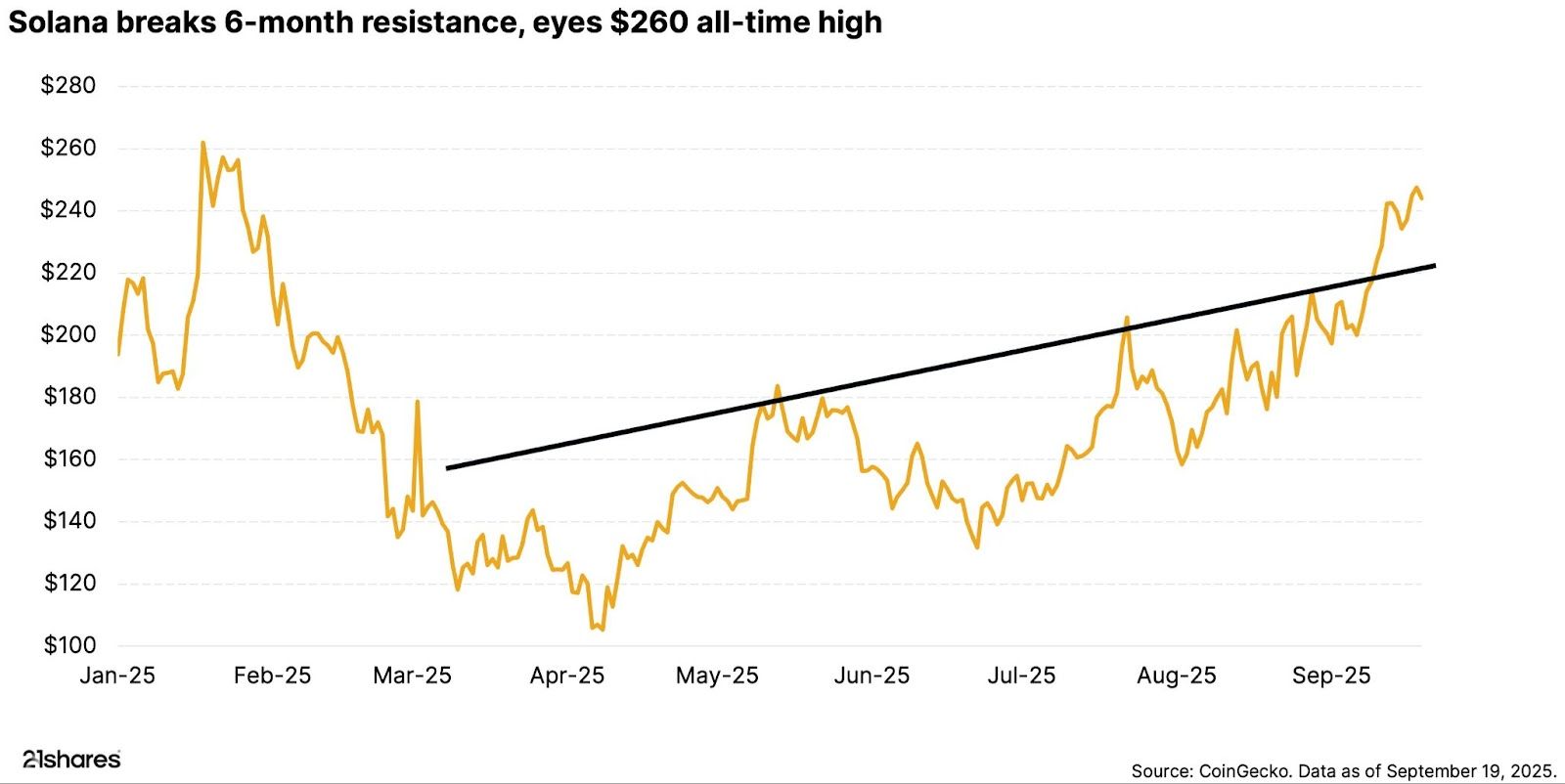
Predictions for Solana’s value in 2026 vary significantly based on the analyst and the model used. According to nine trusted analysts cited by the Bitcoin Foundation, the estimated price range for Solana falls between $300 and $1,000, with a mean projection near $445 [src-serp-2]. This optimistic view assumes strong ecosystem growth and sustained institutional adoption.
"Solana reaching $1000 would require strong ecosystem growth, high institutional adoption, and a sustained bull market. While possible in the long term, it remains an optimistic scenario."
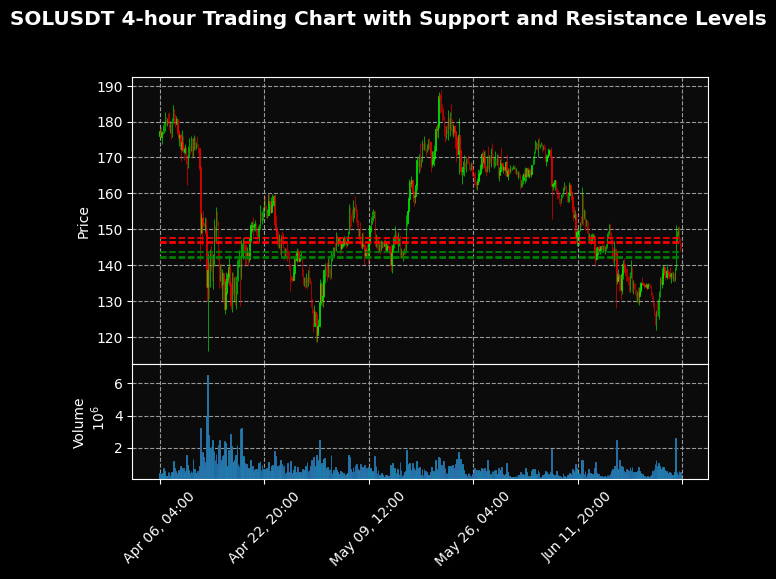
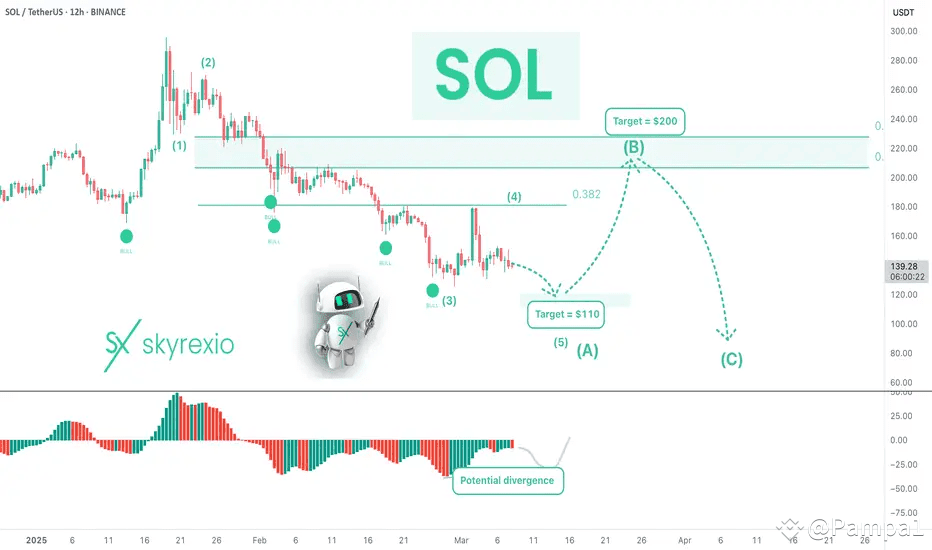
Conversely, more conservative forecasts suggest a tighter range. Bitpanda’s analysis places the 2026 price between $128 and $178, depending on broader market conditions and technological developments [src-serp-4]. Technical indicators also present a mixed picture; Binance notes that Solana’s 200-day moving average has been sloping downward since June 2026, suggesting a weak trend in the near term [src-serp-1].
Frequently asked questions about Solana 2026
What is the best hardware wallet for Solana in 2026? Ledger Nano X and Trezor Model T are the top recommendations. Ledger offers deeper native integration with Solana apps like Phantom and Solflare, while Trezor provides open-source transparency. Both devices secure your private keys offline, which is critical given the rise in phishing attacks targeting Solana users.
How do I secure my Solana assets against phishing? Always verify URLs before connecting your wallet. Use hardware wallets for significant holdings to ensure transactions are signed offline. Never share your 24-word seed phrase. For software wallets like Phantom or Solflare, enable all available security features, such as transaction simulation and address book verification, to detect malicious smart contracts before signing.
Is Solana safe for storing large amounts of SOL? Yes, provided you use cold storage. Hardware wallets are the safest method for long-term storage. Software wallets are convenient for daily trading but are more vulnerable to online threats. Always keep the majority of your assets in a hardware wallet and only move what you need for active trading to a software wallet.
No comments yet. Be the first to share your thoughts!