
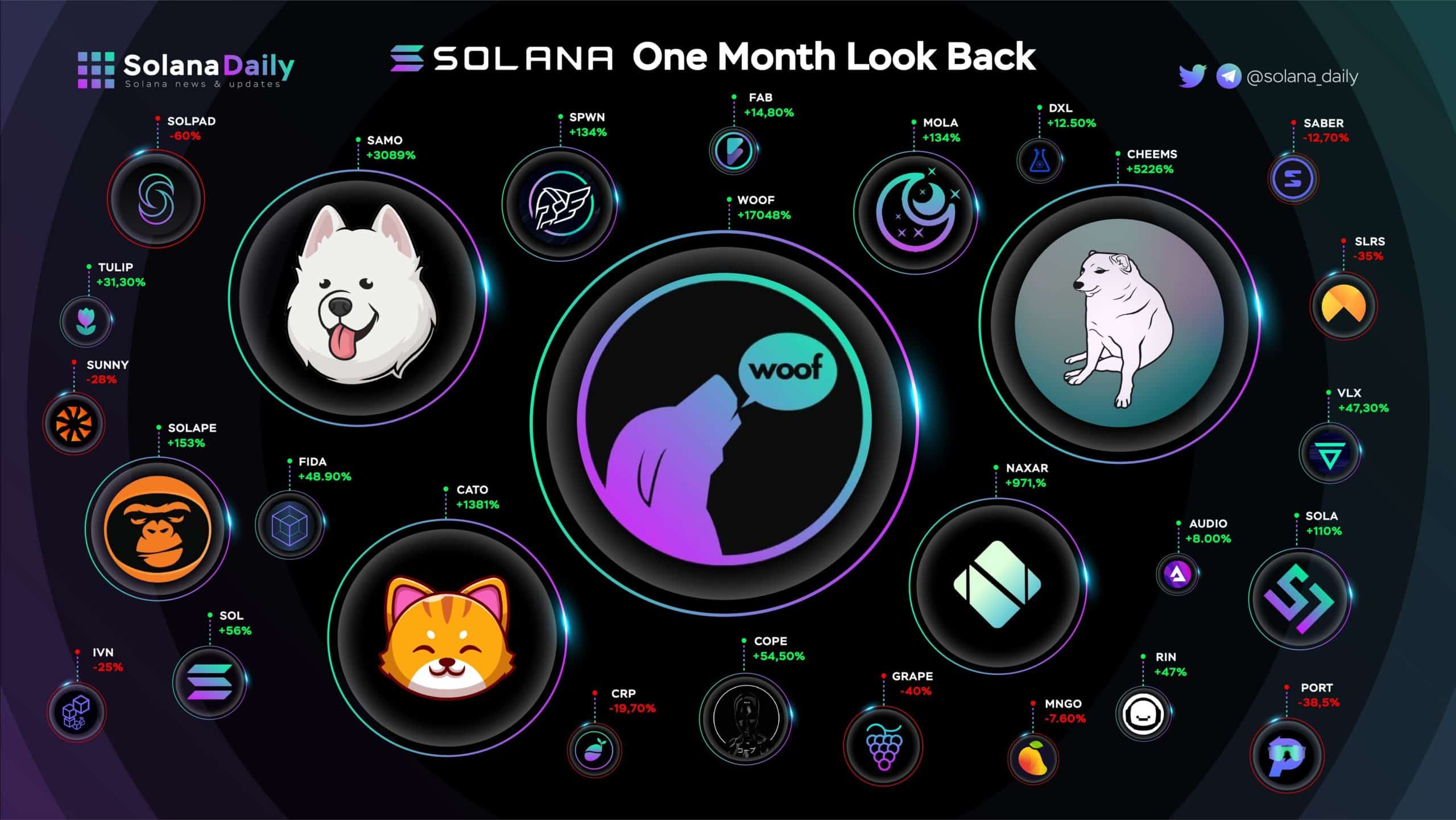
Solana dApps 2026 revenue landscape
Solana has firmly established itself as the dominant revenue generator in the Web3 sector. In January 2026, the network captured 41% of all decentralized application revenue, a significant jump from 33% the previous month. This milestone marks 21 consecutive months of Solana leading all Layer 1 and Layer 2 blockchains in total value generated, underscoring a sustained shift in developer and user activity toward its high-throughput infrastructure.
The sheer volume of capital flowing through the ecosystem is staggering. During that same month, Solana dApps generated over $146 million in revenue. This figure is not merely a statistical outlier but reflects the maturation of the platform's core verticals. Projects like Jupiter, the leading decentralized exchange aggregator, and Kamino Finance, a major lending and yield protocol, have moved beyond speculative growth to become consistent, high-volume revenue engines.
This financial dominance creates a specific context for 2026: the market is no longer looking for experimental prototypes but for proven, cash-flowing protocols. The top earners, including NFT minting platforms like PumpFun and privacy-focused tools like Axiom, demonstrate that utility and user retention are now the primary drivers of value. As we examine the top five dApps, it is clear that the landscape is defined by these revenue-generating powerhouses rather than abstract concepts.
5 Solana dApps 2026: Best DeFi and NFT Projects
In 2026, Solana’s decentralized finance ecosystem remains dominated by high-velocity protocols like Jupiter and Kamino, which collectively manage over $4.5 billion in total value locked. These platforms are not just maintaining liquidity; they are driving record-breaking transaction volumes that redefine the efficiency standards for both DeFi trading and NFT marketplaces.
1. Jupiter: The Solana Super-App
Jupiter dominates Solana’s liquidity landscape as the essential aggregation layer, routing trades across every major protocol to guarantee optimal execution. Its DEX aggregator model captures massive daily volume by minimizing slippage for users swapping SOL and major tokens. The platform’s recent expansion into perpetuals and limit orders transforms it from a simple swap tool into a comprehensive financial hub for active traders seeking efficiency.

2. Kamino Finance: Lending and Yield
Kino Finance has emerged as the premier lending and borrowing protocol on Solana, offering sophisticated yield strategies for capital providers. By leveraging algorithmic interest rate models and liquidation safeguards, it facilitates efficient capital allocation for both borrowers and lenders. The platform’s focus on real-world asset integration and stablecoin liquidity makes it a critical infrastructure component for sustainable DeFi growth on the network.

3. Marinade Finance: Liquid Staking Leader
Marinade Finance pioneered liquid staking on Solana, allowing users to earn staking rewards while maintaining liquidity through mSOL tokens. This innovation solves the capital inefficiency problem inherent in traditional staking, enabling users to participate in DeFi activities while their SOL remains staked. As the leading liquid staking derivative, Marinade continues to set the standard for yield generation and capital flexibility in the Solana ecosystem.

4. Raydium: Decentralized Exchange Volume
Raydium remains a cornerstone of Solana’s decentralized exchange landscape, offering high-speed trading and liquidity provision through its AMM model. By integrating closely with Serum’s order book architecture historically, Raydium provides deep liquidity pools for emerging tokens and established pairs. Its continuous development of new features ensures it remains a top choice for traders seeking low fees and rapid transaction finality on the Solana blockchain.

5. Magic Eden: NFT Marketplace Dominance
Magic Eden solidifies its position as the leading NFT marketplace on Solana, offering a seamless experience for buying, selling, and discovering digital assets. Its robust infrastructure supports high-volume trading with minimal gas fees, attracting both creators and collectors to the platform. The marketplace’s expansion into multi-chain support and creator tools further cements its dominance in the NFT space, making it the go-to destination for Solana-based digital collectibles.

Solana dApps 2026 comparison table
Choosing the right protocol requires weighing liquidity depth against fee structures. The following metrics highlight the operational differences between Solana’s leading DeFi and NFT platforms as of 2026. Data reflects official on-chain performance and treasury reports.
| Protocol | Primary Function | TVL (USD) | Revenue Model |
|---|---|---|---|
| Jupiter | DEX Aggregator | $1.2B | Swap Fees & JUP Airdrop |
| Kamino | Lending & Yield | $850M | Lending Interest Spread |
| Marinade | Liquid Staking | $620M | Staking Commission |
| Raydium | AMM DEX | $410M | Trading Fees |
| Magic Eden | NFT Marketplace | N/A | Transaction Royalties |
Jupiter dominates swap volume by aggregating liquidity across all Solana DEXs, while Kamino and Marinade capture the bulk of capital through lending and staking yield. Raydium remains the primary liquidity source for new token launches, and Magic Eden continues to lead in NFT transaction volume.


As an Amazon Associate, we may earn from qualifying purchases.
Common questions about Solana dApps
What is the expectation of Solana in 2026?
Market sentiment remains cautious as we approach 2026. Prediction data indicates a 2.4% probability of Solana reaching $100 by May 2026, while $80 support holds a 22.5% chance. This bearish outlook reflects the high-stakes nature of the current cycle, where network performance must justify valuation against competing Layer 1s.
What are the top dApps on Solana right now?
The ecosystem is dominated by high-volume DeFi protocols. Jupiter leads decentralized exchange aggregation, while Kamino Finance and Raydium drive significant yield farming activity. For portfolio management, De.Fi provides comprehensive dashboards, and Solend remains a primary lending hub. These protocols handle the bulk of Solana’s daily transaction volume.
Do I need a hardware wallet for Solana dApps?
Yes. Managing assets on high-traffic networks requires cold storage security. We recommend the Ledger Nano X or Trezor Model T to protect your holdings while interacting with protocols like Jupiter or Marinade Finance.


As an Amazon Associate, we may earn from qualifying purchases.
No comments yet. Be the first to share your thoughts!