

The Solana gaming ecosystem in 2025 is not just thriving, it’s setting benchmarks for speed, user experience, and on-chain innovation. With Solana (SOL) trading at $163.47 as of November 7,2025, the network’s robust performance has catalyzed a new wave of blockchain games and infrastructure projects that are drawing both gamers and investors. This year’s top Solana gaming projects reflect a strategic blend of play-to-earn mechanics, player-owned economies, and powerful developer tools, all while embracing community-driven trends that define the future of Web3 entertainment.
Flagship Games Defining Solana in 2025
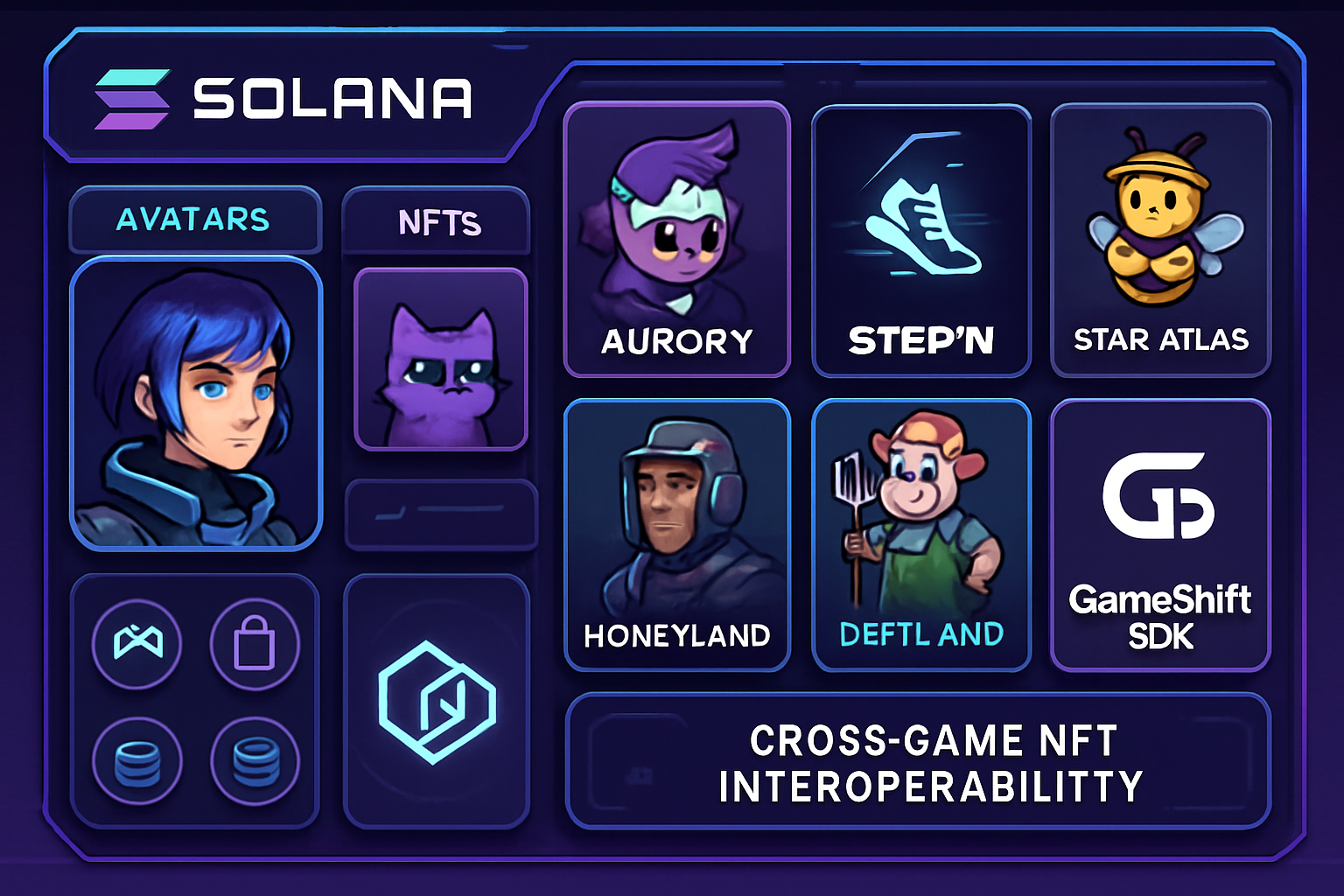
Aurory remains a cornerstone of the Solana gaming landscape. As a turn-based RPG with deep lore and tactical combat, Aurory has expanded its universe with new regions and competitive PvP tournaments. Its model of player-owned economies means NFTs and $AURY tokens earned in-game hold meaningful value both within its ecosystem and across secondary markets. The game’s narrative depth keeps engagement high while its asset ownership model exemplifies why Solana Web3 games are so compelling in 2025.
STEPN, the original move-to-earn fitness app on Solana, continues to reward players for real-world activity by integrating steps directly into on-chain rewards. With expanded fitness challenges and partnerships, STEPN bridges lifestyle and blockchain utility. Its success underscores the power of combining daily habits with digital economies, a trend that is only accelerating as more users seek tangible benefits from their gameplay experiences.
Star Atlas stands out as Solana’s AAA metaverse epic. Players command fleets, mine resources, and engage in real-time battles within a visually stunning universe built on top-tier DeFi integration. The recent Fleet Commander Update introduces advanced fleet management tools and cooperative PvE missions, making Star Atlas not only an immersive strategy game but also a dynamic economy where assets can appreciate over time.
Developer Infrastructure: GameShift SDK by Solana Labs
No discussion of best Solana games 2025 is complete without acknowledging the infrastructure powering these experiences. GameShift SDK by Solana Labs has emerged as an essential toolkit for developers aiming to seamlessly onboard players into Web3 games. By abstracting away complex wallet interactions and providing streamlined asset management APIs, GameShift enables studios to focus on gameplay rather than backend hurdles, a key factor behind the explosion of high-quality titles this year.
The modular nature of GameShift SDK also supports rapid prototyping and cross-platform deployment, critical advantages as studios race to capture market share in the fast-evolving landscape of Solana on-chain gaming. This infrastructure not only reduces time-to-market but also ensures security standards are met without sacrificing user experience.
Diverse Gameplay: Honeyland and DeFi Land
The diversity within Solana gaming projects is exemplified by titles like Honeyland, a casual play-to-earn farming sim where players manage bee colonies, compete in resource tournaments, and earn crypto rewards through strategic gameplay. Honeyland's strong community focus, including regular tournaments and collaborative events, sets it apart as one of the most engaging entry points for newcomers to Web3 gaming.
DeFi Land, meanwhile, gamifies decentralized finance by blending farming simulation mechanics with real yield strategies available on-chain. Players can plant crops that represent DeFi positions or liquidity pools, making complex financial concepts accessible through intuitive gameplay loops. This approach not only educates but also incentivizes users to participate more deeply in the broader Solana ecosystem.
These flagship games and platforms are not operating in silos. Instead, they’re shaping a synergistic ecosystem where both gamers and developers benefit from shared standards and interoperability. As Solana continues to scale, the lines between gaming, finance, and community engagement are blurring, creating new opportunities for value creation at every level.
Emerging Trends: Cross-Game NFT Interoperability
One of the most transformative trends in Solana Web3 games 2025 is cross-game NFT interoperability. This standard allows players to use their digital assets, such as skins, characters, or items, across multiple titles built on Solana. For example, an NFT earned in Aurory may soon grant unique cosmetic upgrades or access privileges in Honeyland or DeFi Land. This interoperability amplifies the utility and value of player-owned assets while fostering loyalty across the ecosystem.
The implications are significant: developers can collaborate on shared asset standards, players enjoy more meaningful ownership, and secondary markets become more liquid as NFTs gain broader utility. This trend is a clear signal that Solana’s gaming community is prioritizing openness and composability over walled gardens, a strategic advantage as mainstream adoption accelerates.
If you’re looking to diversify your exposure or simply want to experience the cutting edge of Web3 entertainment firsthand, keep an eye on these leaders, and don’t overlook the infrastructure quietly powering their success behind the scenes.
For deeper dives into rising visual trends across Solana games or how AI is reshaping gameplay experiences in 2025, explore our recommended resources:


No comments yet. Be the first to share your thoughts!