
Network Performance and Reliability
By 2026, Solana has moved past its early reputation for sporadic downtime to become the default infrastructure for high-throughput financial applications. The network now prioritizes predictable finality and execution integrity, addressing the stability concerns that once limited institutional adoption. This shift has transformed Solana from a speculative speedrun into a reliable settlement layer for real-world assets (RWAs) and stablecoins.
The technical foundation rests on a simplified validator architecture and improved consensus mechanisms that reduce the latency of block confirmation. Financial institutions no longer need to hedge against chain halts when processing tokenized assets or executing complex DeFi strategies. The network’s ability to handle sustained load without degradation is now a documented feature, not an aspirational goal.
This reliability is critical for the 2026 RWA boom. As tokenized treasuries and private credit move on-chain, they require a ledger that processes transactions consistently and transparently. Solana’s current throughput allows for near-instant settlement of large-value transfers, a capability that legacy blockchains struggle to match without significant layer-two complexity.
The ecosystem’s growth is no longer just about speed; it is about trust. With major financial players building on Solana, the network’s performance metrics serve as the primary indicator of its market dominance. The data shows a steady increase in daily active addresses and transaction volume, reflecting the underlying confidence in the protocol’s technical resilience.
Real-world asset tokenization leaders
Solana has become the primary infrastructure layer for tokenized real-world assets, driven by its high throughput and low transaction costs. In April 2026, the ecosystem saw a significant acceleration in institutional adoption, particularly within the tokenized equity space.
The momentum is evident in the volume metrics. According to ecosystem updates from late May 2026, Solana captured 97% of cumulative tokenized equities spot volume. This dominance highlights a clear preference among issuers and investors for a chain that can handle the settlement speed required for traditional finance instruments.
This shift is not just about volume but about the quality of the assets being tokenized. Major financial institutions are increasingly viewing Solana as a viable settlement layer for spot equities, reducing the friction associated with traditional clearing and settlement processes. The network's ability to process thousands of transactions per second at minimal cost makes it uniquely suited for this type of high-frequency, low-margin activity.
The trend underscores a broader migration of real-world assets onto blockchain networks, with Solana leading the charge in the equity sector. As regulatory frameworks continue to evolve, the infrastructure already in place on Solana positions it as a key player in the future of tokenized finance.
Top DeFi protocols to watch
The Solana DeFi landscape has shifted from speculative experimentation to robust infrastructure. For users seeking liquidity and efficient trading, the focus is now on protocols that offer deep order books, reliable yields, and low slippage. These platforms form the backbone of the ecosystem, handling billions in daily volume.
Jupiter (JUP): The Aggregation Layer
Jupiter remains the primary gateway for Solana trading. It aggregates liquidity from over 20 DEXs, ensuring users get the best execution prices. Its limit order features and recurring buy tools make it essential for both casual traders and sophisticated DeFi users. The protocol’s recent expansion into perpetuals and lending has further cemented its position as a one-stop shop for Solana finance.
Raydium: Liquidity Hub
Raydium serves as the core automated market maker (AMM) on Solana. It provides the deep liquidity pools that other protocols often rely on. For liquidity providers, Raydium offers concentrated liquidity options that maximize capital efficiency. Its integration with the Serum order book legacy has created a hybrid model that balances the speed of AMMs with the precision of limit orders.
Marinade Finance: Liquid Staking Standard
Marinade Finance dominates the liquid staking sector on Solana. It allows users to stake SOL while retaining liquidity through mSOL tokens. This flexibility is critical for DeFi strategies that require staked assets as collateral. Marinade’s high adoption rate and consistent performance make it the go-to choice for passive income generation within the ecosystem.
Orca: User-Friendly DEX
Orca stands out for its intuitive interface and concentrated liquidity pools. It offers a streamlined trading experience that appeals to newcomers and veterans alike. Orca’s focus on user experience and transparent fee structures has helped it maintain a strong user base. Its support for various token pairs ensures broad accessibility for trading different assets.
| Protocol | Primary Use | TVL Rank | Key Feature |
|---|---|---|---|
| Jupiter | Aggregation | 1 | Best execution prices |
| Raydium | AMM | 2 | Deep liquidity pools |
| Marinade | Liquid Staking | 3 | mSOL token |
| Orca | DEX | 4 | User-friendly interface |
Infrastructure and staking options
Solana’s growth in 2026 relies on infrastructure that balances speed with institutional-grade reliability. The network has shifted focus from raw throughput to predictable finality and execution integrity, ensuring that financial institutions can trust the underlying ledger. This stability is supported by a robust ecosystem of validators and staking derivatives that provide liquidity without sacrificing security.
Staking has evolved beyond simple delegation. Liquid staking protocols now allow users to earn yield on their SOL while retaining the ability to use those tokens in DeFi applications. This flexibility has become a cornerstone of the ecosystem, enabling capital efficiency across both centralized and decentralized finance layers.
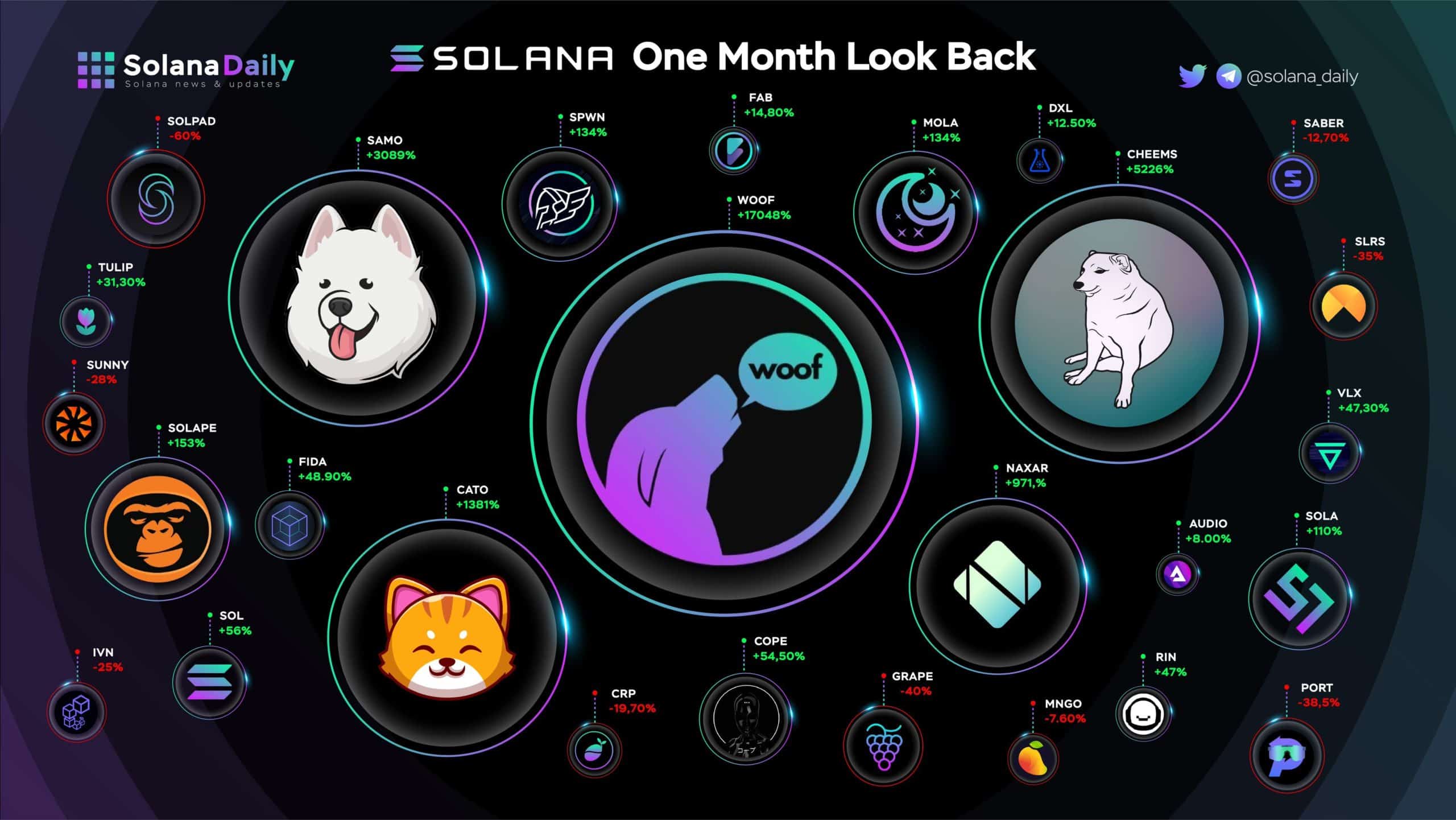
Jito stands out as a key infrastructure provider in this space. By bundling transactions and optimizing block production, Jito enhances network efficiency while offering stakers additional MEV rewards. Its native token, JTO, reflects the growing demand for sophisticated staking solutions that prioritize both yield and network health.
Secure Storage for Solana Assets
Holding Solana (SOL) and SPL tokens requires more than just a software wallet. For significant holdings, hardware wallets provide the highest level of security by keeping private keys offline and isolated from internet-based threats. This approach ensures that even if your computer is compromised, your assets remain safe.
The ecosystem supports several reputable hardware solutions. Ledger devices are widely used and officially support Solana, allowing you to manage your tokens through the Ledger Live application. Trezor models also offer robust support for Solana, providing an alternative for users who prefer different interface designs or specific security features. Choosing between them often comes down to personal preference and specific feature needs, such as display size or connection type.
When selecting a device, look for models that explicitly list Solana support. This ensures compatibility with the Solana blockchain and allows for seamless management of your SPL tokens. Avoid using wallets that do not clearly state their support for Solana to prevent potential issues with sending or receiving assets.


As an Amazon Associate, we may earn from qualifying purchases.
No comments yet. Be the first to share your thoughts!