
Solana 2026 Ecosystem Outlook
Solana has cemented its position as a top-tier blockchain in 2026, driven by rising USD transaction volumes and growing institutional interest. While technical indicators like the 200-day moving average suggest short-term weakness, the underlying network activity points to a maturing ecosystem capable of supporting high-throughput applications. The market is shifting from speculative trading to utility-driven growth, with three core areas defining the landscape: decentralized finance, artificial intelligence integration, and mobile-first tools.
The foundation of this growth is Solana's DeFi sector, which continues to expand beyond simple swaps into complex financial products. Protocols like Jupiter and Marinade Finance are handling significant liquidity, offering users deep markets and yield opportunities. This infrastructure supports the broader trend of AI agents and mobile wallets leveraging Solana's speed and low fees to execute real-world tasks.
Mobile tools are particularly critical to this outlook. With the introduction of specialized hardware and optimized wallets, Solana is making blockchain interaction accessible to non-technical users. This accessibility, combined with the efficiency of its DeFi protocols, positions Solana to capture a larger share of the next wave of crypto adoption. The following sections detail the specific products and platforms driving these trends.
DeFi growth and new protocols
Solana’s decentralized finance ecosystem is shifting from experimental testing to institutional-grade stability. As the network handles higher transaction volumes, protocols are prioritizing capital efficiency and yield sustainability over unsustainable token emissions. This transition is creating a more robust environment for DeFi applications, allowing developers to build complex financial instruments with lower latency and minimal costs.
The current landscape favors protocols that offer genuine utility, such as automated market makers with concentrated liquidity and lending platforms with real-time risk management. Investors are looking for concrete yield opportunities that are backed by actual trading fees or borrowing demand rather than inflationary rewards. This shift ensures that DeFi growth on Solana is driven by usage, not just speculation.
To navigate this evolving space, it helps to compare the leading protocols based on their total value locked (TVL) and current annual percentage yields (APY). The table below highlights three major platforms that are defining the current state of Solana DeFi.
| Protocol | Category | Est. TVL | Avg. APY |
|---|---|---|---|
| Jupiter | DEX Aggregator | $850M | N/A |
| Marinade Finance | Liquid Staking | $1.2B | 6.5% |
| Drift Protocol | Perpetuals | $420M | 8.2% |
These platforms represent the backbone of Solana’s financial infrastructure. Jupiter acts as the primary liquidity hub, aggregating prices across multiple venues to ensure traders get the best execution. Marinade Finance simplifies staking by providing liquid staking derivatives, allowing users to earn staking rewards while still using their assets in other DeFi activities. Drift Protocol offers a high-performance venue for derivatives trading, catering to users seeking leveraged exposure without the complexity of traditional centralized exchanges.
As DeFi matures, the focus will remain on security and user experience. Protocols that can maintain stability during market volatility while offering competitive yields will likely capture the majority of market share. For those looking to participate, starting with established platforms like those listed above provides a safer entry point into the Solana DeFi ecosystem.
AI agents and on-chain automation
Solana’s high throughput makes it the preferred chain for AI agents that need to execute frequent, low-cost transactions. Unlike Ethereum, where gas fees can eat into small margins, Solana allows agents to interact with DeFi protocols, mint assets, and manage data without breaking the bank. This efficiency turns theoretical AI concepts into practical, automated workflows.
However, automation introduces a critical vulnerability: key management. When an AI agent controls a private key, the risk of compromise rises significantly. A bug in the code or a social engineering attack can lead to immediate, irreversible loss of funds. This is why secure hardware wallets and multi-signature setups are not optional luxuries; they are the foundation of any serious AI-driven on-chain operation.
The integration of AI and Solana is moving beyond simple trading bots. We are seeing agents that monitor on-chain data in real-time, execute complex DeFi strategies, and even manage digital identities. As these tools become more sophisticated, the focus must shift from pure speed to secure, reliable automation. The future of Solana DeFi isn’t just about faster transactions; it’s about smarter, safer agents.
Mobile access and hardware essentials
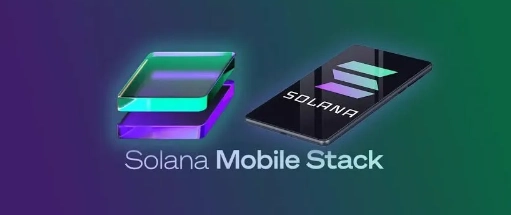
Solana’s high throughput and low fees make it a natural fit for mobile-first crypto usage. As the ecosystem expands with more DeFi protocols and meme token launches, holding SOL on a phone screen requires more than just a convenient app. It demands a secure foundation that can handle frequent transactions without exposing your private keys to potential vulnerabilities.
For everyday trading and interacting with Solana dApps, a reputable mobile wallet like Phantom or Solflare provides the necessary speed and interface. These apps support the ecosystem’s rapid pace, allowing you to swap tokens or stake SOL directly from your device. However, for larger holdings, relying solely on a phone is risky. A hardware wallet acts as a cold storage vault, keeping your keys offline and safe from digital threats.
When setting up your mobile Solana stack, prioritize devices and wallets that offer robust security features. Look for hardware wallets that explicitly support Solana, ensuring you can sign transactions securely. This combination of a mobile interface for activity and a hardware device for storage offers the best balance of convenience and protection for 2026 and beyond.


As an Amazon Associate, we may earn from qualifying purchases.
Solana price analysis 2026 forecast
Analyst projections for Solana in 2026 suggest a wide range of potential outcomes, reflecting the asset's inherent volatility and dependence on broader market cycles. Forecasts generally cluster between $90 and $178, depending on whether bullish adoption trends outweigh bearish macroeconomic pressures.
According to data from Bitpanda, the most common price range for Solana in 2026 sits between $128 and $178. This scenario assumes that Solana maintains its technological edge in high-throughput applications while navigating standard crypto market fluctuations. A more conservative outlook from Changelly suggests prices could dip to around $90.58 by late summer 2026, highlighting the risk of short-term corrections even within a positive yearly trend.
Market indicators remain mixed. Binance notes that the 200-day moving average has been sloping downward since mid-2026, signaling a weak trend in the near term. However, longer-term models, such as those from Kraken, project steady growth into 2027 and beyond, with prices potentially reaching $90.80 in 2027 if current growth rates hold. These forecasts underscore that while Solana's utility in DeFi and AI sectors drives long-term value, short-term price action is heavily influenced by sentiment and technical momentum. Investors should view these ranges as probabilistic scenarios rather than guaranteed targets.
Frequently asked questions about Solana 2026
Investors tracking Solana’s trajectory in 2026 are weighing three distinct market scenarios. Forecasts from financial data aggregators like Finst outline neutral, bearish, and bullish paths for the year. In a bullish scenario, SOL could reach approximately €76.41, representing a modest gain from current levels. More aggressive models, such as those from CoinCodex, project a rise to $104.61 by mid-2026, driven by increased network adoption and DeFi activity.
Looking slightly further ahead to 2027, projections suggest continued upward momentum if the network maintains its current growth rate. Kraken’s prediction model, which assumes a steady 5% annual increase, estimates SOL could hit $90.80 by 2027. This steady climb is contingent on Solana’s ability to sustain its high-throughput advantages in mobile and AI-integrated applications without compromising decentralization.
No comments yet. Be the first to share your thoughts!