

Solana trades at $136.81 today, a resilient figure amid broader market fluctuations that underscore its growing stability. As traditional finance eyes blockchain for efficiency gains, Solana emerges not just as a contender, but as a strategic powerhouse potentially redefining Wall Street's engine. Its blend of blistering speed and cost-effectiveness positions it uniquely to handle the high-volume demands of institutional trading, tokenization, and beyond.
Institutional Capital Flows into Solana
Major players are betting big on Solana's infrastructure. Bitwise Asset Management's launch of the first U. S. spot Solana ETF, the Bitwise Solana Staking ETF (BSOL. P), pulled in $420 million within its debut week in November 2025. This isn't isolated hype; Franklin Templeton filed for its own spot Solana ETF earlier in February 2025, signaling a shift where Solana joins Bitcoin and Ethereum in the institutional spotlight. Morgan Stanley's September 2025 announcement to integrate crypto trading on E*Trade via Zerohash further cements this trend, explicitly including Solana assets.
These moves reflect a calculated pivot. Wall Street firms, long skeptical of crypto's volatility, now see Solana's $136.81 price point as a gateway to diversified yields through staking ETFs. Bitwise's rapid inflows highlight demand for products that capture Solana's native staking rewards, offering returns that traditional fixed-income alternatives struggle to match in this rate environment. Yet, this adoption isn't blind; it's driven by Solana's proven uptime and scalability, making it a safer bet for prime brokers handling client orders.
Strategically, these partnerships bridge silos. Zerohash's custody solutions enable seamless fiat-to-Solana ramps, lowering barriers for E*Trade's retail base while appealing to high-net-worth clients. I view this as a tipping point: when blue-chip names like Morgan Stanley commit, it validates Solana's rails for real-world financial plumbing.
Technical Edge Tailored for High-Frequency Finance
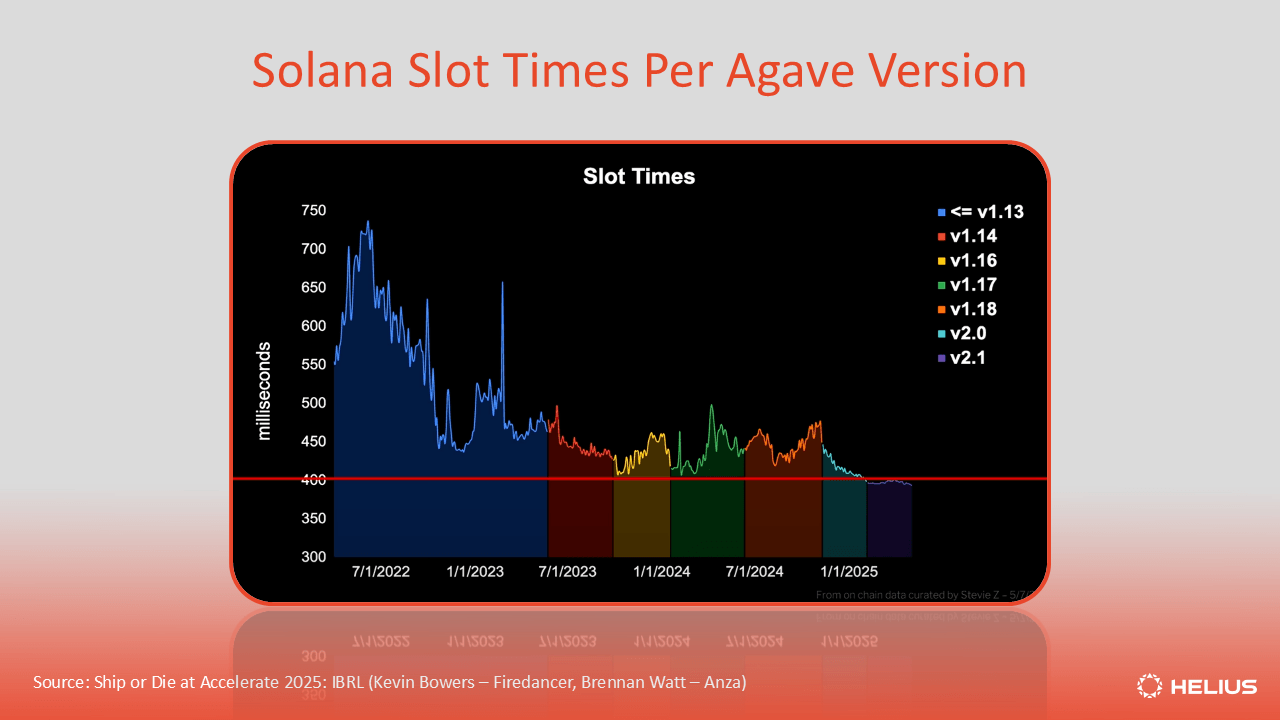
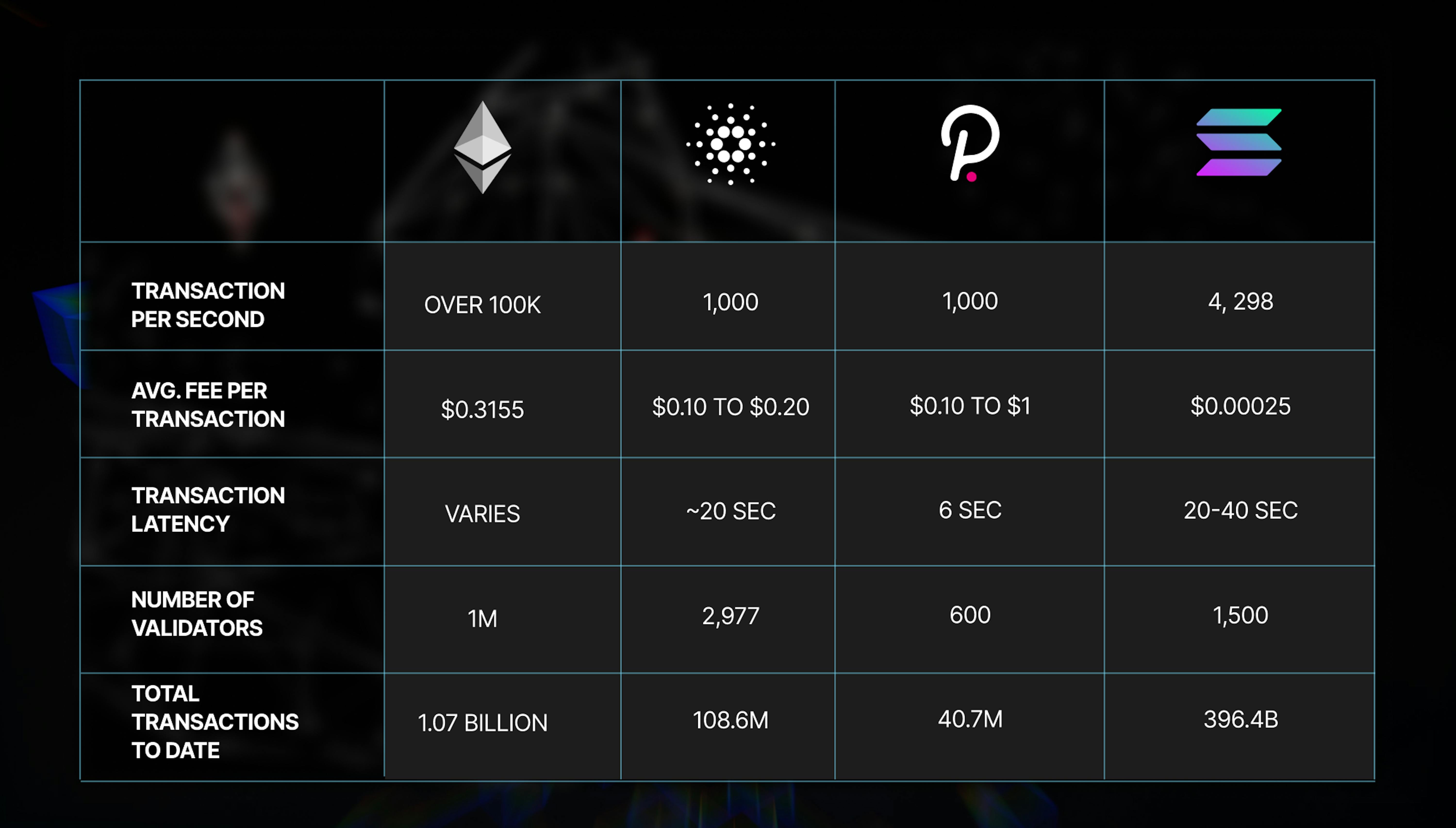
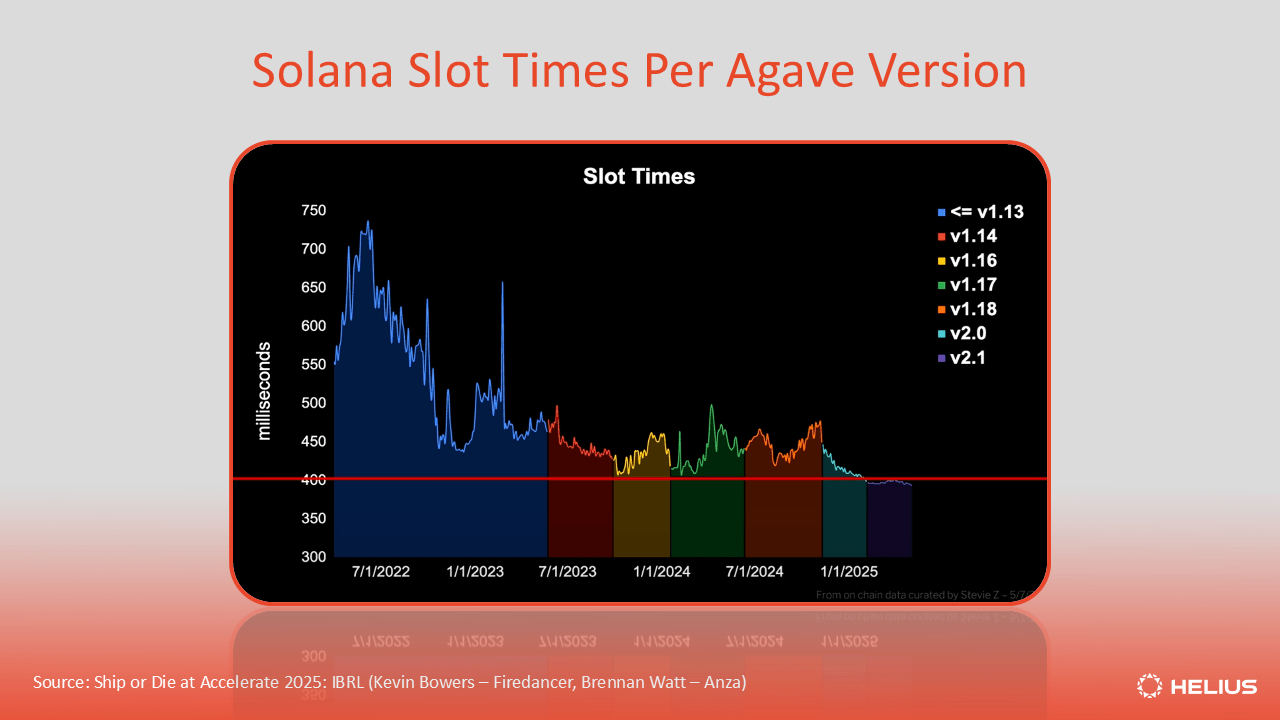
Solana's architecture crushes legacy systems on metrics that matter most to traders: throughput and latency. Clocking 1,200 to 1,300 transactions per second with 400-450 millisecond block times, it outpaces competitors for high-frequency strategies where microseconds dictate profits. At $136.81, Solana's market cap reflects this utility, yet undervalues its potential in tokenized assets and derivatives.
Solana (SOL) Price Prediction 2026-2031
Forecasts incorporating ETF inflows, TradFi adoption, high-speed transactions, and institutional integration
| Year | Minimum Price | Average Price | Maximum Price | YoY % Change (Avg) |
|---|---|---|---|---|
| 2026 | $180 | $300 | $550 | +119% |
| 2027 | $300 | $500 | $900 | +67% |
| 2028 | $450 | $750 | $1,300 | +50% |
| 2029 | $650 | $1,100 | $1,900 | +47% |
| 2030 | $950 | $1,600 | $2,700 | +45% |
| 2031 | $1,400 | $2,300 | $4,000 | +44% |
Price Prediction Summary
Solana is positioned for robust growth as a Wall Street engine, fueled by ETF launches like Bitwise's $420M debut, Morgan Stanley partnerships, and technical superiority (1,200+ TPS). Average prices projected to rise from $300 in 2026 to $2,300 by 2031, reflecting 670% cumulative growth amid bull cycles, adoption, and RWA tokenization.
Key Factors Affecting Solana Price
- Bitwise Solana Staking ETF inflows ($420M first week) and Franklin Templeton filings
- Morgan Stanley E*Trade crypto trading partnership including SOL
- High performance: 1,200–1,300 TPS, 400–450ms confirmations for HFT and DeFi
- Thriving ecosystem: Raydium/Serum (DeFi), Metaplex/Solanart (NFTs), Star Atlas (gaming)
- RWA tokenization potential and regulatory advancements boosting TradFi adoption
- Market cycles favoring altcoins with real utility over pure speculation
Disclaimer: Cryptocurrency price predictions are speculative and based on current market analysis. Actual prices may vary significantly due to market volatility, regulatory changes, and other factors. Always do your own research before making investment decisions.
Consider high-frequency trading desks. Traditional exchanges face congestion during volatility spikes; Solana's parallel processing via Proof-of-History sidesteps this, enabling sub-second settlements. This isn't theoretical: DeFi protocols like Raydium already mirror centralized order books, executing swaps at fractions of a cent. For Wall Street, deploying Solana for private credit tokenization or options clearing could slash costs by 90%, per industry benchmarks.
Challenges persist, notably the lack of a singular Wall Street champion akin to BlackRock for Bitcoin. But momentum builds through collective interest. Regulatory tailwinds, including clearer paths for asset tokenization, amplify Solana's edge. Its fee model remains predictably low, even at peak loads, unlike Ethereum's gas wars.
Ecosystem Depth Fuels Wall Street Use Cases
Beyond raw specs, Solana's developer ecosystem provides the apps Wall Street craves. DeFi heavyweights like Serum offer on-chain central limit order books, ideal for algorithmic trading. NFT platforms such as Metaplex enable fractionalized real estate tokens, while gaming like Star Atlas tests scalable micropayments.

This breadth matters strategically. Institutions aren't building from scratch; they plug into mature primitives. Raydium's concentrated liquidity pools rival Uniswap's efficiency but at Solana speeds, attracting yield farmers and hedge funds alike. Gaming and NFTs, often dismissed, preview consumer finance apps: think loyalty points tokenized for instant redemption.
At $136.81, Solana trades at a discount to its network value, especially as corporate treasuries eye holdings. While Bitcoin dominates reserves, Solana's utility for active management positions it for outsized gains. The real play lies in hybrid models, where Wall Street layers compliance atop Solana's base layer for RWAs and derivatives markets.
Hybrid models unlock the prize. Picture prime brokers settling cross-border trades on Solana rails, wrapped in KYC-compliant layers from firms like Pyth Network for oracle feeds. This fusion scales Wall Street's ambitions without ripping up existing playbooks.
Navigating Hurdles to Full Orbit
Solana's path holds thorns. Network outages in prior years, though rarer now, linger in institutional risk assessments. At $136.81, its valuation embeds a caution premium versus Bitcoin's reserve status. Corporate treasuries favor BTC's simplicity; Solana demands active staking or DeFi exposure, which compliance teams scrutinize.
Regulation looms large too. While ETF approvals grease wheels, full tokenization of securities awaits SEC clarity. Without a BlackRock-level evangelist, Solana plays catch-up in narrative dominance. Yet, these gaps are closing fast. Uptime has stabilized above 99.9%, and Firedancer upgrades promise even tighter latencies. I see this as undervalued asymmetry: risks priced in, rewards accelerating.
Strategic minds on Wall Street grasp this. Hedge funds quietly build Solana positions for alpha in RWAs, where platforms like Ondo Finance tokenize treasuries at scale. The $136.81 price masks explosive network effects as TVL surges past $10 billion thresholds.
Why Solana Outmaneuvers Rivals for TradFi
Ethereum Layer-2s chase scalability, but Solana's monolithic design delivers native performance without fragmentation. Base layers like Sui nibble edges, yet lack Solana's mature DeFi liquidity. For high-stakes finance, predictability trumps hype.
Solana's Key Wall Street Edges
- 1,200–1,300 TPS at sub-second latency (400–450 ms confirmations), powering high-frequency trading. Source
- Fees under $0.01 even at peak usage, slashing costs for high-volume institutional trades.
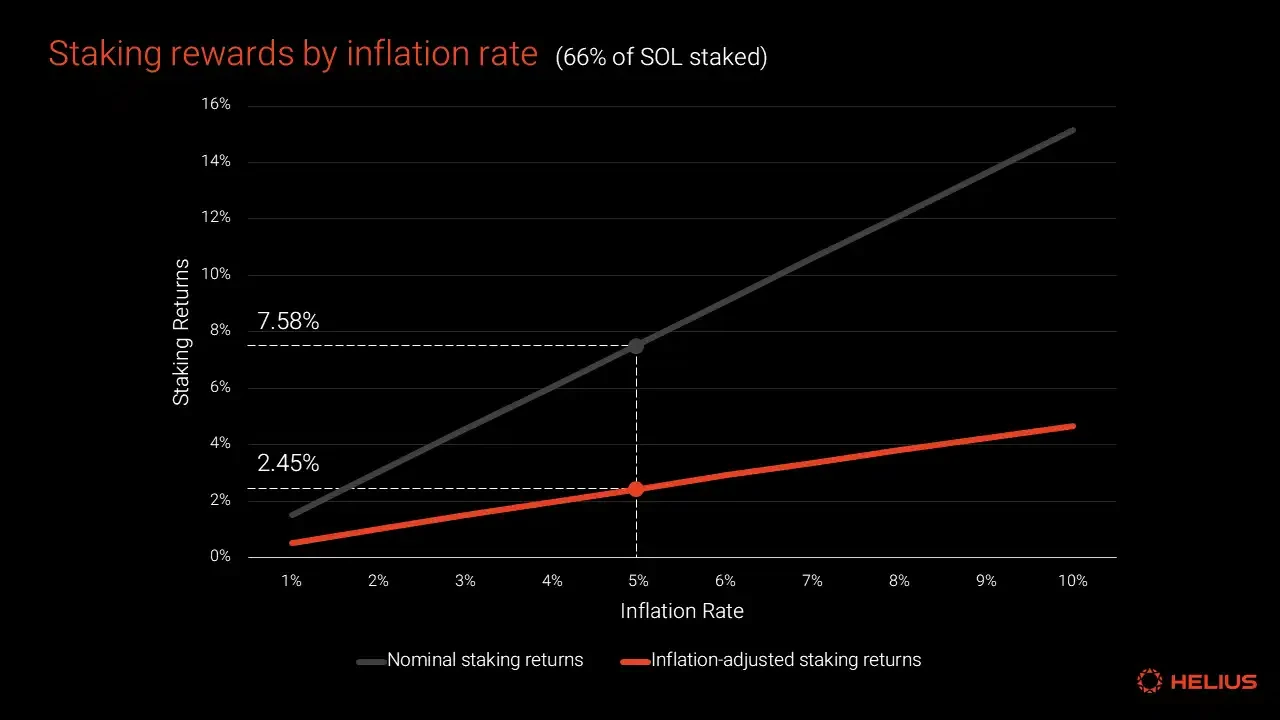
- Staking yields beating bonds (~6-7% APY vs. 4-5% Treasuries), offering superior risk-adjusted returns.
- Proven uptime post-upgrades, ensuring reliability for mission-critical financial applications.
- ETF access via Bitwise Solana Staking ETF (BSOL.P), amassing $420M in first week. Source
Investors should weigh this stack. At $136.81 with a modest and $0.48 daily gain, Solana offers entry before ETF-driven re-rating. Pair it with macro tailwinds: cooling inflation favors risk assets, and Fed pauses boost yield hunting into staking products.
Zoom out: Solana isn't chasing Bitcoin's store-of-value crown. It's engineering Wall Street's throughput upgrade. Tokenized funds, synthetic derivatives, and instant clearinghouses find natural home here. Early movers like Zerohash position clients ahead of the herd.
Forward positioning demands nuance. Allocate via spot ETFs for simplicity, or direct staking for yield. Monitor TVL growth and RWA pilots as leading indicators. Solana's $136.81 foothold signals readiness; the next leg hinges on execution. Wall Street won't overhaul overnight, but when it does, Solana's rails stand primed to power the machine.
Seize the asymmetry: high conviction in infrastructure, measured bets on execution. That's the Solana thesis at this juncture.



No comments yet. Be the first to share your thoughts!